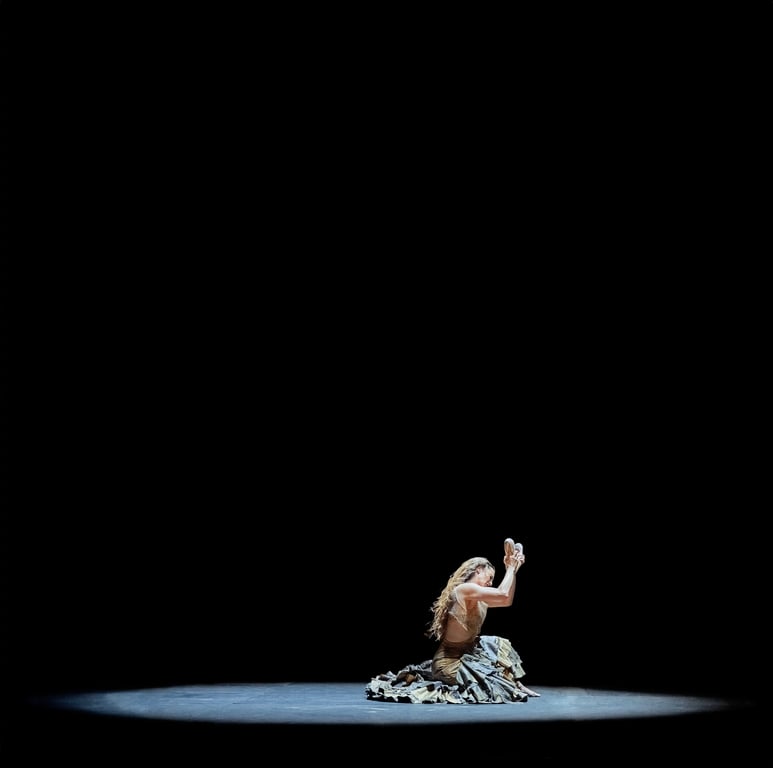
What Is Fandango? Inside One of Flamenco's Most Beloved Forms
Fandango is one of the most widespread and varied families in flamenco, spanning many regional styles and a wide emotional range. Here is what makes the fandango so beloved.
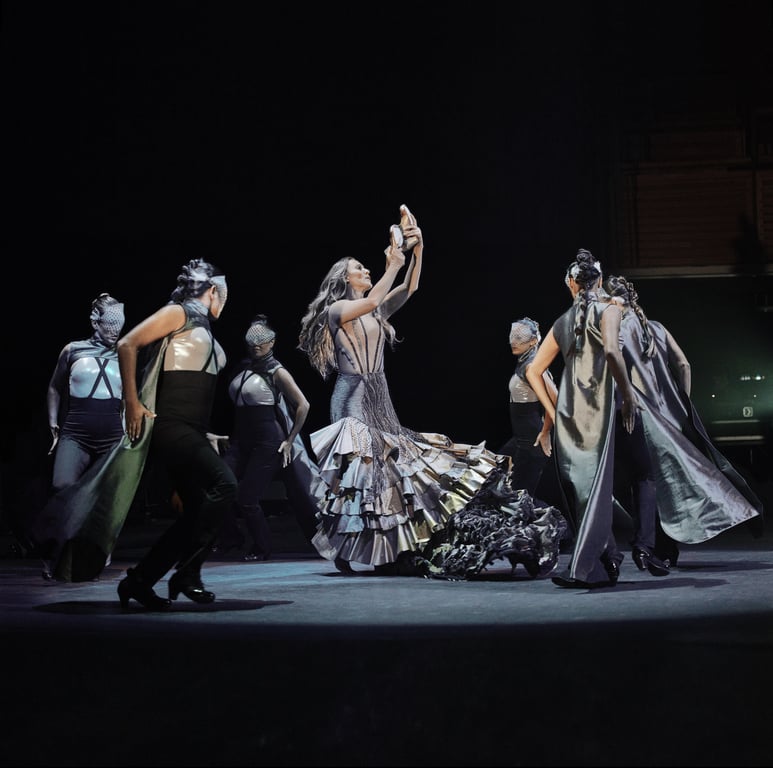
What Is Duende? The Soul of a Flamenco Performance
Duende is the heightened emotional authenticity that lifts a flamenco performance from technically correct to genuinely moving. Here is what duende means, why it cannot be faked, and how the poet Federico Garcia Lorca famously explored it.
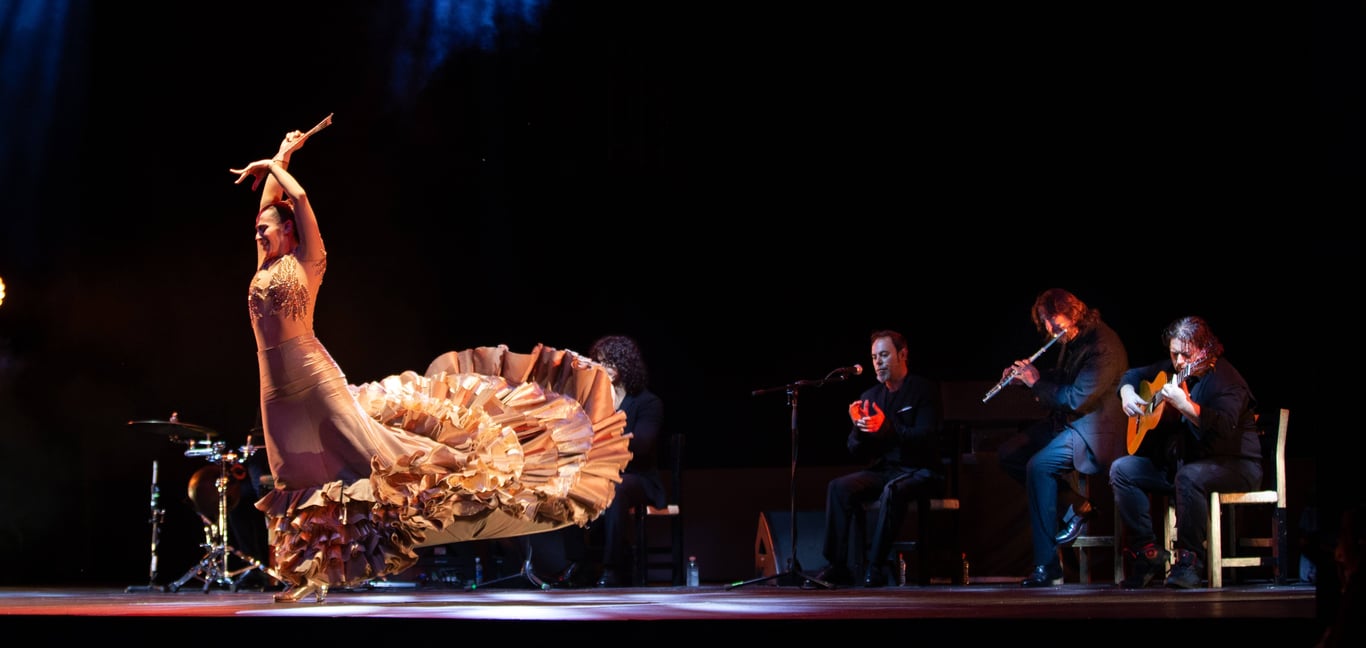
What Is Cante? The Flamenco Song at the Heart of the Art
Cante, the song, is the emotional heart and traditional root of flamenco. Here is how the flamenco singer shapes a performance and why the voice comes first.
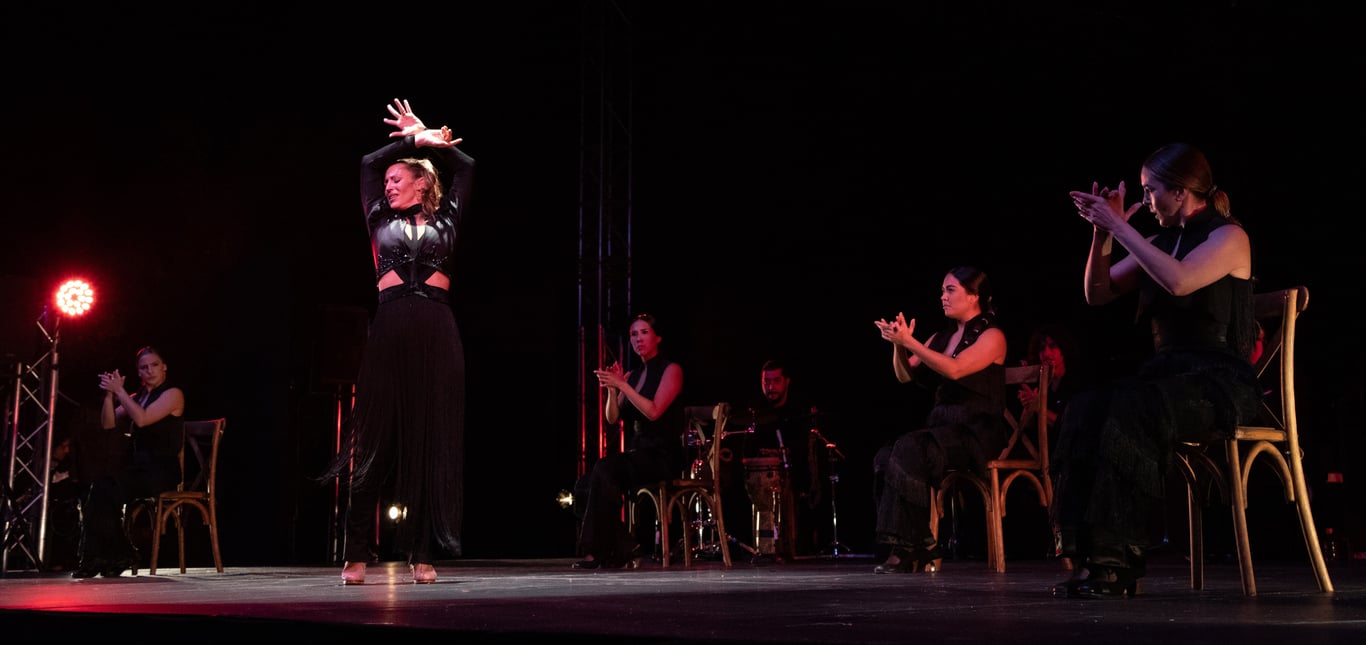
What Instruments Are Used in Flamenco? A Clear Guide
A clear, myth-busting guide to the instruments of flamenco — from the voice and guitar to the hands, feet, and cajon — and why castanets are not truly core.
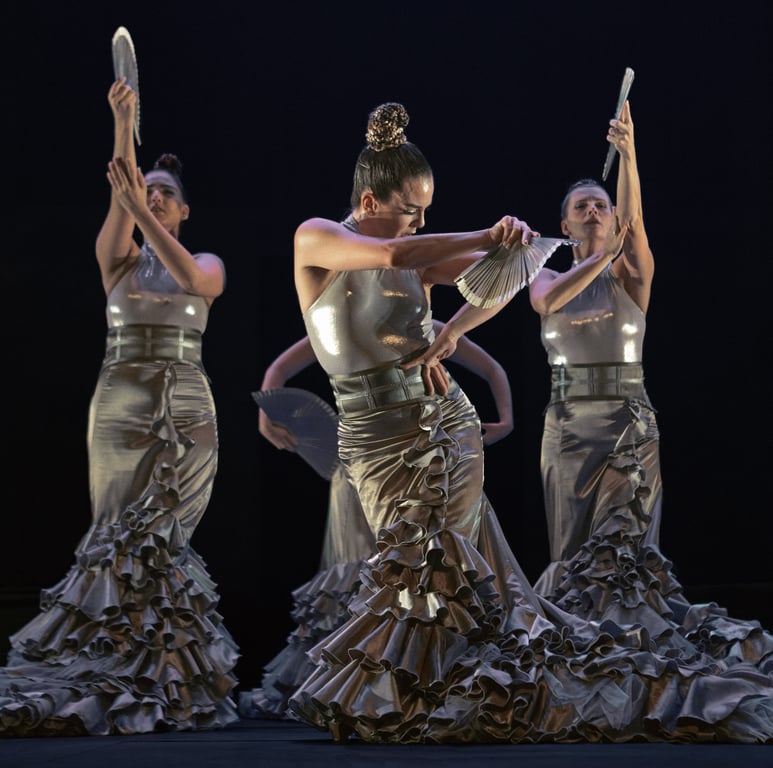
What Do Flamenco Dancers Wear? Dress, Shoes, and Accessories
A concise, factual answer to what flamenco dancers wear — the dress, shoes and accessories on stage, and the simpler comfortable clothing worn in class.
What Are Flamenco Tangos? An Earthy, Playful Palo
Flamenco tangos are an earthy, playful palo built on a straightforward four-count rhythm, which makes them one of the friendliest styles for beginners. Here is what they are and what they are not.
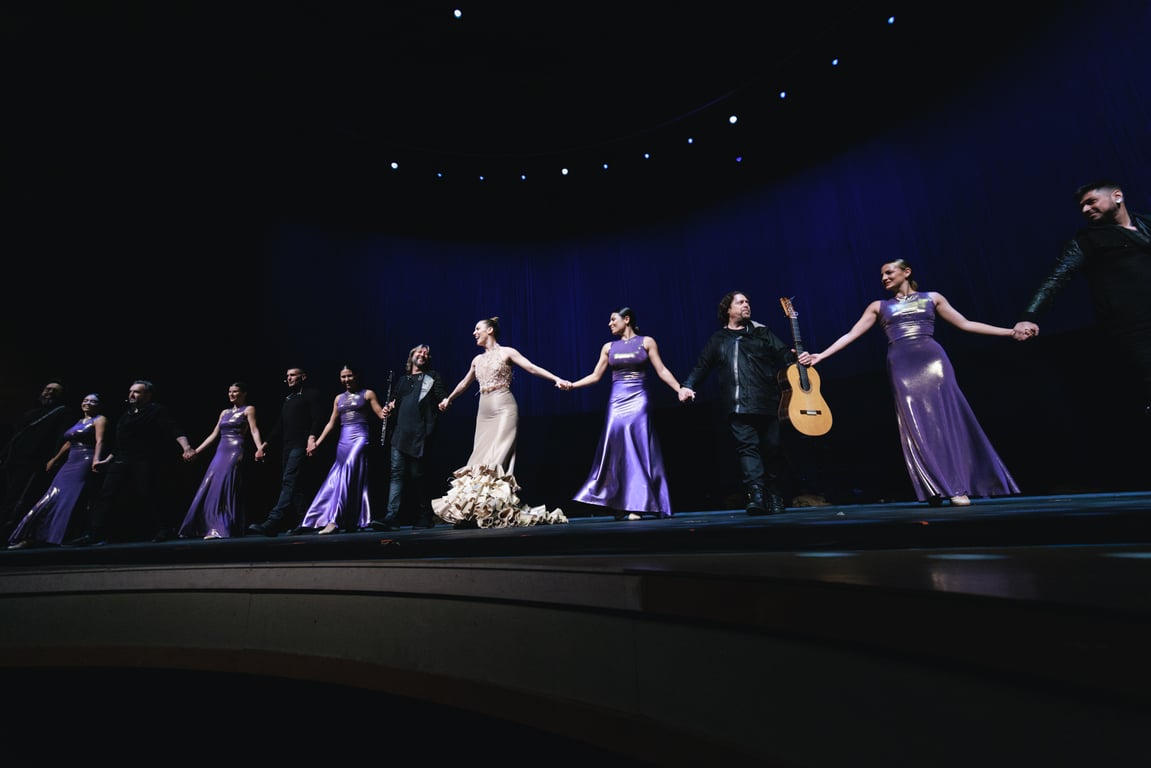
What Are Seguiriyas? Flamenco's Deepest, Most Tragic Song
The seguiriya is one of the deepest and most tragic forms in all of flamenco. Here is what defines this pinnacle of cante jondo, from its grave character to its distinctive compas.
What Are Bulerías? Flamenco's Fastest, Most Festive Palo
Bulerías are the quickest, most joyful palo in flamenco, famed for syncopation, improvisation, and closing a gathering with the fin de fiesta. Here is what makes them so exhilarating.
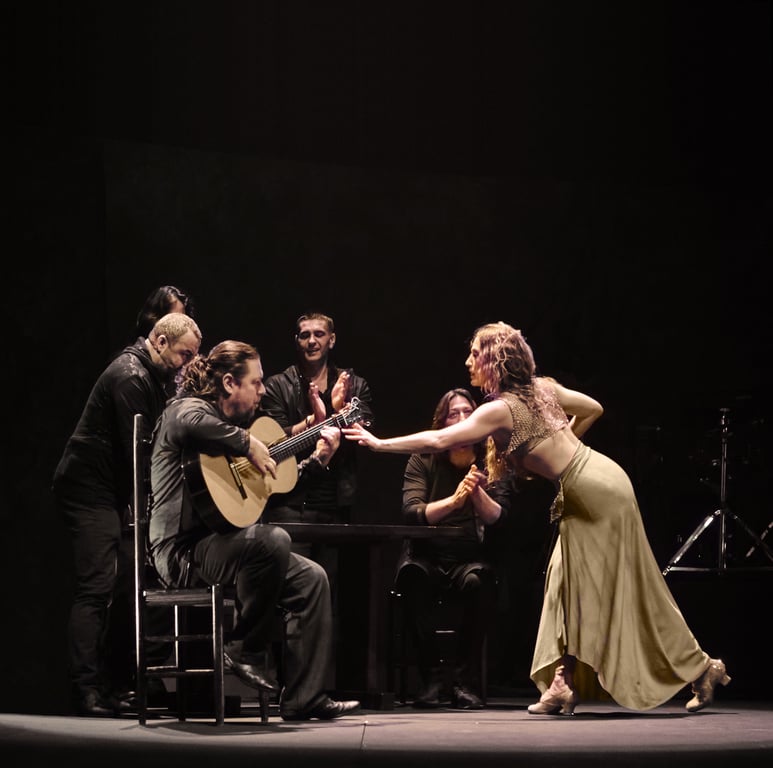
What Are Alegrías? Flamenco's Bright, Sunny Palo
Alegrías are one of flamenco's most joyful and luminous styles, a bright palo from the seaside city of Cádiz. Here is what makes alegrias flamenco's sunniest form.
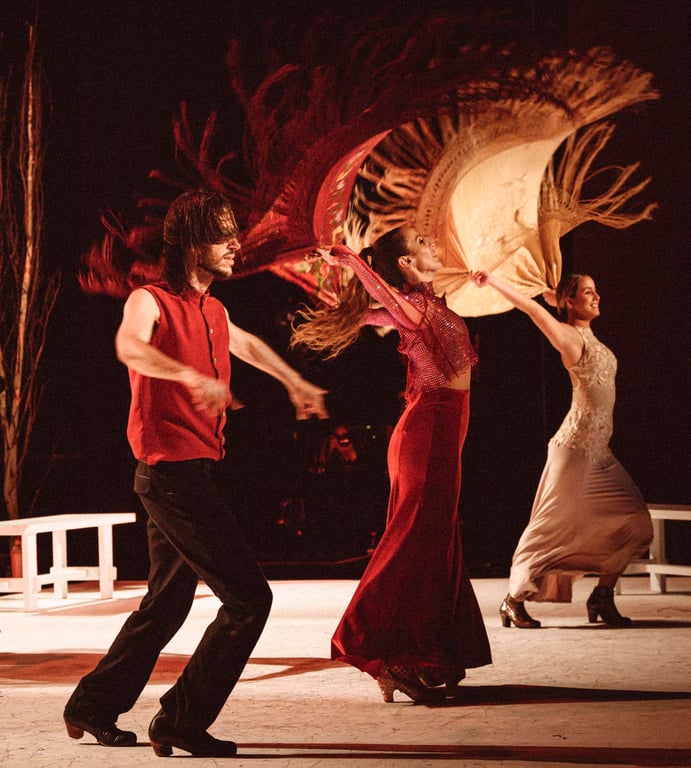
The Traje de Flamenca: Meaning, Origins, and Features of the Flamenco Dress
The traje de flamenca is the ruffled, polka-dotted flamenco dress born at the Seville feria. Here is where it comes from, what defines it, and what it means.
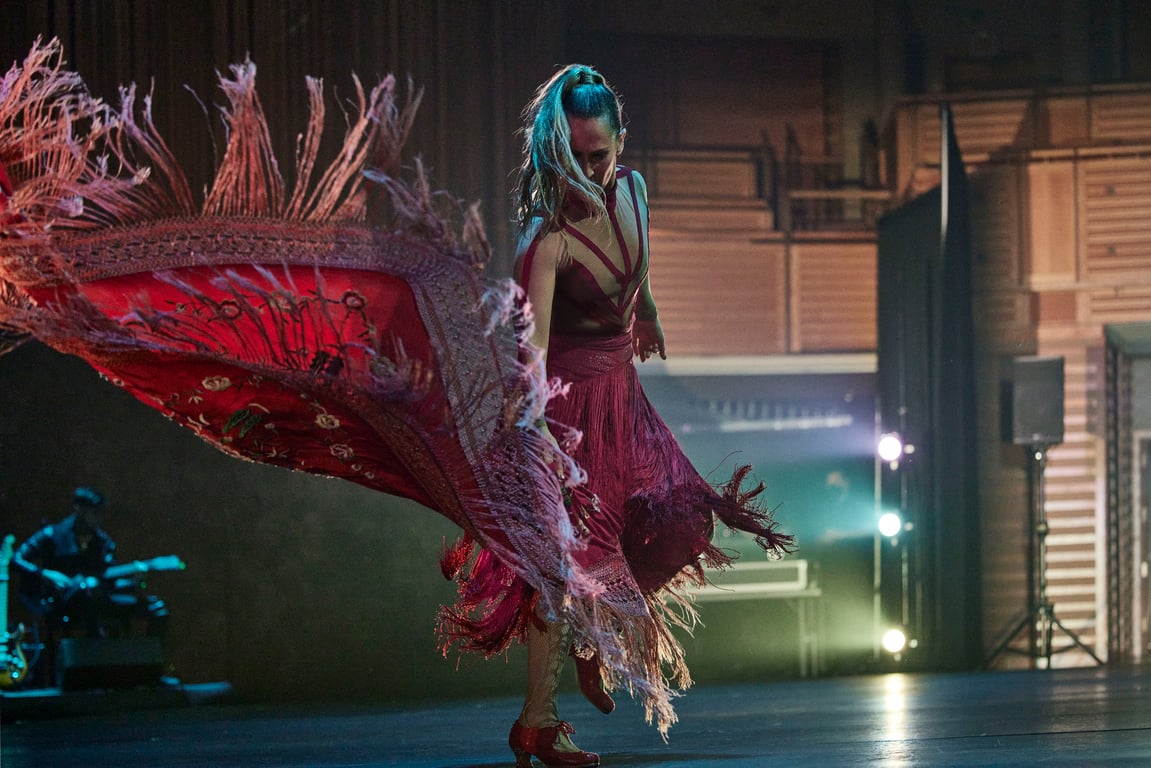
The Palos of Flamenco: A Guide to the Styles and Forms
Flamenco is not one dance but a family of styles called palos, each with its own rhythm and mood. Here is how the palos of flamenco are organized and what sets the essential forms apart.
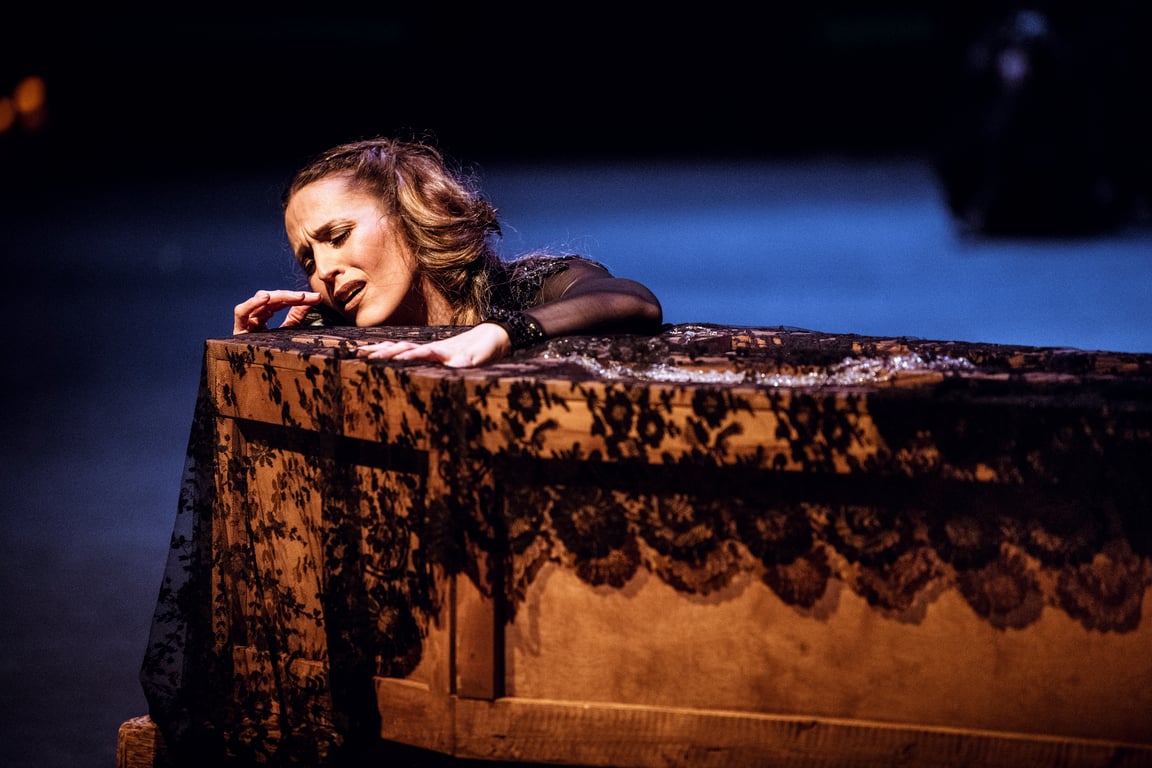
Is Flamenco Spanish or Gypsy? Both, and More
The question of whether flamenco is Spanish or gypsy has a richer answer than either label allows: it is an Andalusian art born from a fusion of cultures, with deep Roma roots.