What Is Cante? The Flamenco Song at the Heart of the Art
 Part of our guide
Flamenco Music and Instruments: The Sound Behind the Dance →
Part of our guide
Flamenco Music and Instruments: The Sound Behind the Dance →
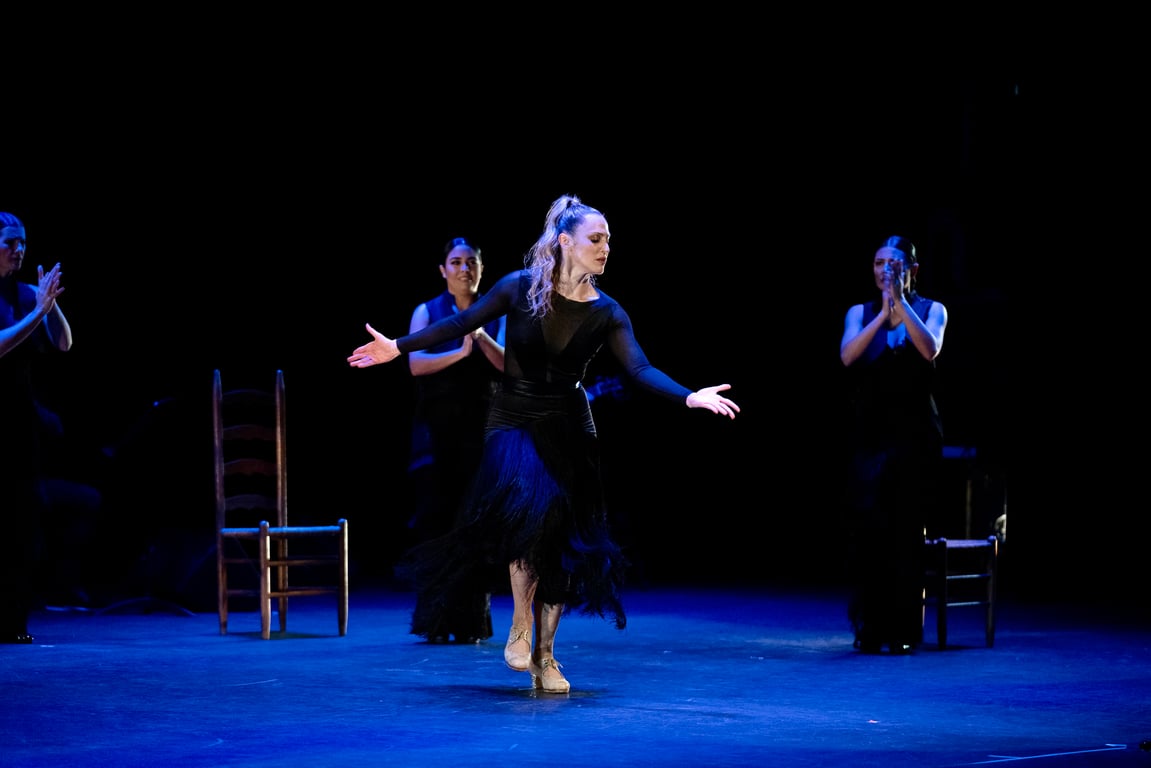
Watch a flamenco performance and your eyes go to the dancer first — the hammering feet, the proud spine, the sculpted arms. But listen closely and you notice that the dancer is answering something: a voice, rough and burning, that seems to pull the whole performance behind it. That voice is cante, the flamenco song, and it is the oldest and deepest root of the entire art.
What Is Flamenco Cante?
Flamenco cante — literally the song — is the vocal heart of flamenco. The art fuses three interwoven elements: cante (song), toque (guitar and musicianship), and baile (dance). Of the three, cante came first and remains central. It carries much of flamenco's emotion, and in the traditional order of things the dancer and the guitarist respond to the singer, not the reverse. Understanding flamenco cante is the key to understanding why everything else in a performance sounds and moves the way it does.
This is a living art born in Andalusia, in southern Spain, and inscribed by UNESCO in 2010 on the Representative List of the Intangible Cultural Heritage of Humanity. Its song grew out of a fusion of Andalusian folklore, Moorish and Arabic melodies, and Gitano (Roma) rhythms, with Jewish and Sephardic influence layered in. The Roma, who reached the Iberian Peninsula in the early fifteenth century, contributed a great deal of flamenco's expressiveness and vocal technique — much of which still lives in the voice today. To see how cante fits alongside the guitar and percussion, start with our pillar guide to flamenco music and instruments.
The Cantaor: The Singer at the Center
The flamenco singer is called a cantaor (male) or cantaora (female), and the role is unlike singing in almost any other tradition. When flamenco first became public and professional — in the cafés cantantes of late nineteenth-century Spain — it was singers who headlined. The acclaimed cantaor Silverio Franconetti ran one of the most celebrated of these venues in Seville. Song, in other words, was not an accompaniment to the show; it was the show.
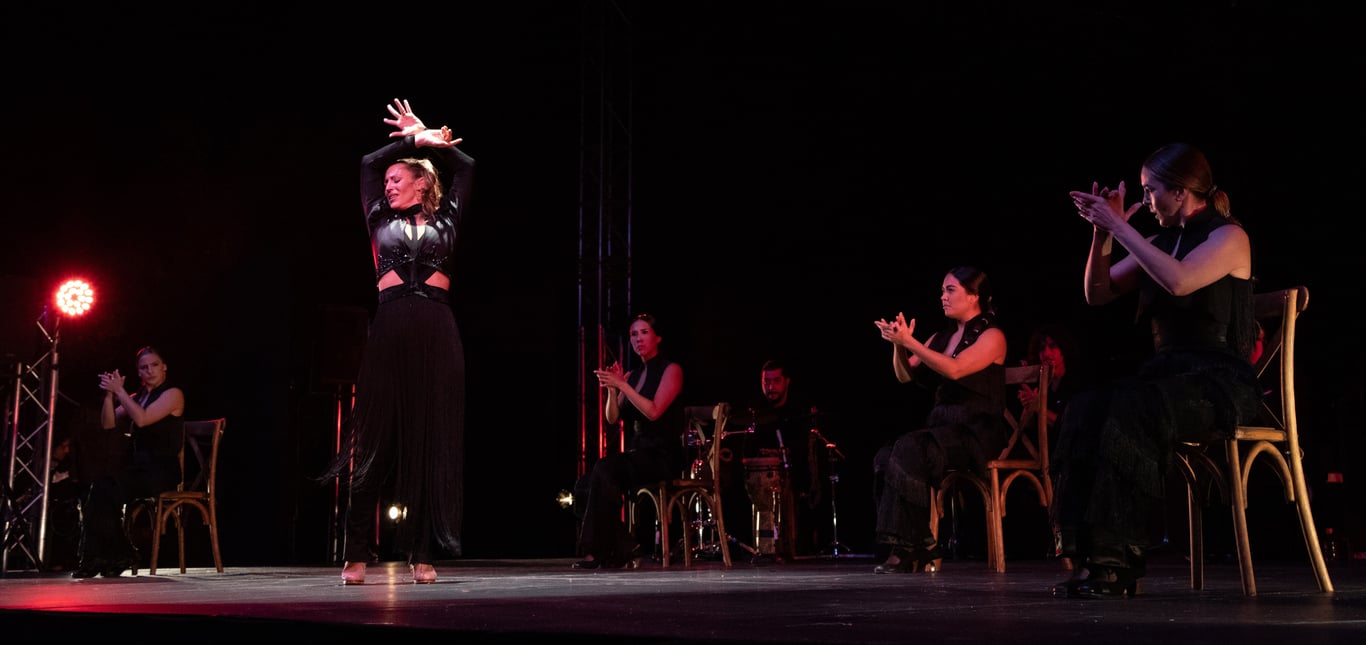
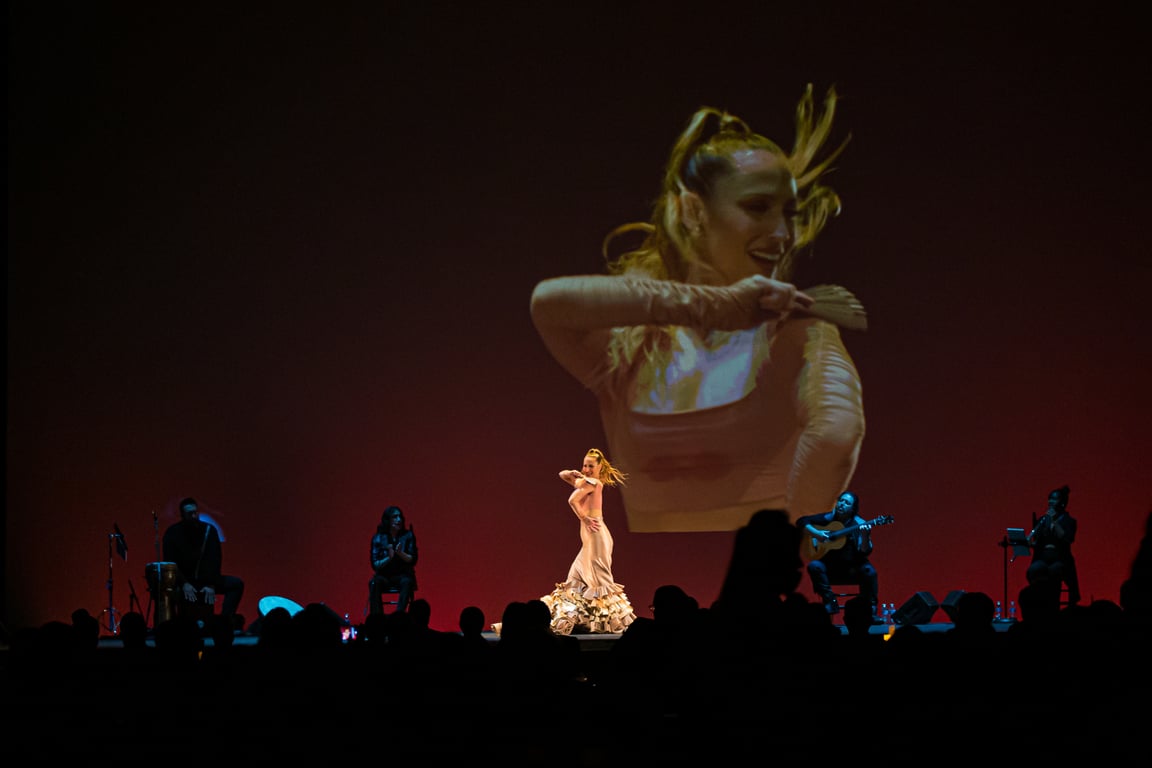
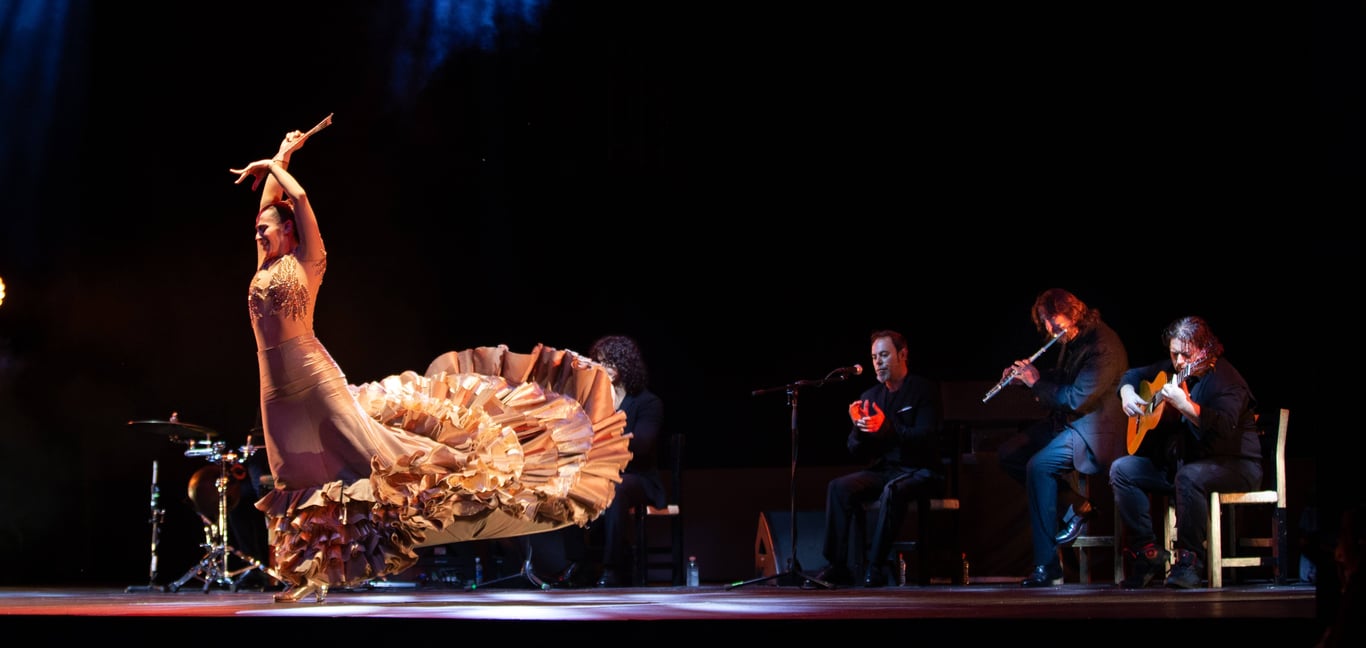
That centrality shapes how a performance is built. The singer sets the emotional weather, and the guitarist shapes the harmony and pulse around the voice while the dancer answers with body, arms, and feet. This is the deep logic of flamenco cante: the song leads, and the rest of the art listens. It is also why the three elements are best understood together — you can read more about how they interlock in our guide to cante, toque, and baile, the three elements of flamenco.
How Much Emotion the Cante Carries
If flamenco has a reputation for raw feeling, the cante is where most of that feeling originates. The song is the vessel for the emotion of a palo — the particular flamenco style being performed — whether that is grief, longing, defiance, or joy. The dancer traditionally responds to what the singer is expressing, translating the song's emotion into movement rather than dancing over a fixed track.
You can hear this relationship directly in a performance. When the cantaor lets a line stretch and ache, the dancer holds, marking the compás with restrained movement. When the voice rises to a cry, the footwork answers with force. The singer is not there to fill space between the dancing; the singer is the source the dancer is drawing from. This is the traditional dialogue at the core of the art, and it is why learning to listen to the cante changes how you understand everything else on stage.
Ready to put this into practice?
Train with Siudy Garrido through our On-Demand Flamenco Courses — structured, professional flamenco instruction you can start today.
Cante Jondo and Cante Chico: Deep Song and Light Song
Flamenco singing spans a wide emotional range, and one of the most useful ways to make sense of it is the broad distinction between cante jondo and cante chico.
Cante Jondo — the Deep Song
Cante jondo means "deep song." It is the most profound and emotionally intense side of flamenco singing — grave, tragic, and stripped of ornament for the sake of pure feeling. This is the flamenco of solitude and sorrow, the singing that seems to come from somewhere far beneath the surface. It is where the art reaches for what is often called duende: the heightened emotional authenticity, the soul of a performance that no amount of technique alone can produce.
Cante Chico — the Light Song
Cante chico means "light song." It is the more festive, playful, and buoyant side of flamenco — the singing built for celebration and movement rather than lament. Where cante jondo pulls inward and downward, cante chico lifts and dances.
It helps to treat this as a spectrum of mood and depth rather than a rigid rulebook. The line between deep and light is not a hard border, and a single singer may move between the two within a single evening. Think of cante jondo and cante chico as describing how far down a song reaches and how heavy or bright it feels — a compass for the emotion, not a fixed set of categories. Individual palos carry their own character along this range, which is why the styles themselves are worth exploring on their own terms.
The Raw, Un-Pretty Voice Flamenco Prizes
Come to flamenco expecting a smooth, polished voice and the cante will surprise you. The cantaor does not aim for the sweetness prized in classical or pop singing. Flamenco singing is raw, cracked, and urgent by design — the voice strains, breaks, and rasps in service of feeling. What sounds "un-pretty" by other standards is exactly the point: emotional truth is valued far above vocal polish.
This aesthetic is not a lack of skill; it is a different kind of skill entirely. A great cantaor controls that roughness with precision, choosing when to let a note fracture and when to hold it steady, all while staying locked to the compás. The result is a voice that feels less performed than confessed — the sound of someone telling the truth about something that hurts or delights too much to be sung prettily. This is the vocal home of duende, and it is why the cante, more than any other element, is where flamenco's emotional authenticity is measured.
Why Cante Comes First
For all the visual power of the dance and the brilliance of the guitar, flamenco cante is the root the whole tree grows from. It is the oldest of the three elements, the carrier of the deepest emotion, and the source the dancer traditionally answers. Learn to hear the singer — the ache of a cante jondo, the lift of a cante chico, the deliberate rawness of the voice — and a flamenco performance stops being a spectacle to watch and becomes a conversation to follow.
The best way to understand how the song, the guitar, and the dance fit together is to step inside the art itself. Explore Siudy Garrido's on-demand flamenco classes to learn how cante, rhythm, and movement connect from your very first compás, and browse more guides on our flamenco blog to keep going deeper into the voice at the heart of flamenco.
Frequently asked questions
What is cante in flamenco?
What is the difference between cante jondo and cante chico?
What is a cantaor or cantaora?
Why does flamenco singing sound so raw?
Start dancing flamenco with Siudy Garrido
On-Demand Flamenco Courses — professional instruction, at your pace.
Explore Courses →