What Are Flamenco Tangos? An Earthy, Playful Palo
 Part of our guide
The Palos of Flamenco: A Guide to the Styles and Forms →
Part of our guide
The Palos of Flamenco: A Guide to the Styles and Forms →
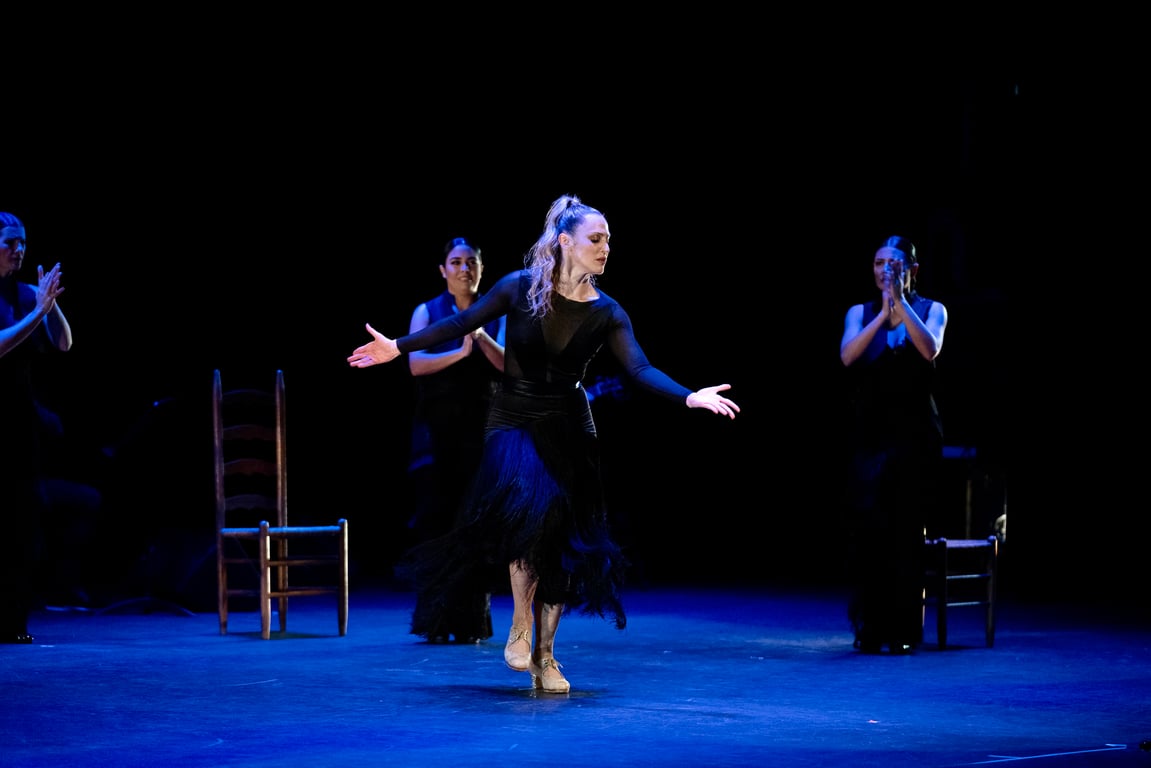
If you are exploring the styles of flamenco and looking for a place to begin, you will keep hearing one word: tangos. So what are flamenco tangos, and why do so many teachers steer newcomers toward them? In short, tangos are one of flamenco's warmest, most grounded styles, built on a simple rhythm that is easy to feel — which makes them a natural first door into the art. This guide explains what flamenco tangos are, what they are emphatically not, and how they relate to their close cousin, the tientos.
Tangos are one of the many palos of flamenco — the family of distinct styles, each with its own rhythm and emotional character, that together make up the art. If the word 'palo' is new to you, that guide is the best place to see the whole landscape before zooming in on tangos here.
What Are Flamenco Tangos?
A palo is a flamenco style or form, and each palo has its own compás — the repeating rhythmic cycle that organizes it — along with its own tempo and mood. Flamenco tangos are the palo built on a straightforward binary, four-count feel, and they belong firmly to flamenco's earthy, festive, playful side.
Where some palos aim for gravity and lament, tangos are grounded and buoyant. The rhythm sits close and steady under the dancer, the mood is convivial rather than tragic, and the whole style has a rooted, come-together quality. Tangos are a classic of what flamenco calls cante chico, the brighter, lighter tradition of song, as opposed to the profound, serious cante jondo of styles like soleá and siguiriyas. That earthy playfulness is a large part of why flamenco tangos are so widely loved and so widely taught.
Why Flamenco Tangos Are Great for Beginners
The most practical reason tangos matter to newcomers is their rhythm. Many of flamenco's most iconic palos — soleá, alegrías, bulerías — share a distinctive twelve-beat cycle that can take real time to internalize. Flamenco tangos, by contrast, sit in a simple four-count feel that is much closer to the rhythms most people already carry in their bodies from other music.
Because the count is more intuitive, tangos are one of the most common entry points for students learning to move in compás — to place their steps, arms, and footwork inside the pulse rather than merely alongside it. Beginners can start marking the rhythm and dancing recognizable phrases relatively quickly, which builds confidence early. If you want to understand how that rhythmic framework works across the art, our overview of the palos of flamenco lays out both the twelve-beat and four-count families.
A word of honesty, though: 'approachable' is not the same as 'easy to master.' Flamenco tangos are friendly to enter and endlessly deep to explore. The straightforward compás simply lowers the first barrier, letting a student focus on posture, clean footwork, and feel before wrestling with a more complex rhythmic cycle. The traditional way to learn any compás is to clap it with palmas until the pulse becomes second nature.
Flamenco Tangos Are Not the Argentine Tango
This is the single most important thing to clear up, because the shared name causes constant confusion. Flamenco tangos are not the Argentine ballroom tango. The two are unrelated forms that simply happen to share a word.
Ready to put this into practice?
Train with Siudy Garrido through our On-Demand Flamenco Courses — structured, professional flamenco instruction you can start today.
Flamenco tangos are a palo of Andalusian flamenco from southern Spain, danced solo and improvised within the framework of the compás, with the earthy four-count pulse and festive character described above. The Argentine tango is a wholly separate couple dance that developed around the Río de la Plata in South America, with its own music, its own history, and its own technique. There is no smoky embrace, no ballroom hold, no rose between the teeth in flamenco tangos — that imagery belongs to the other tango entirely. When flamenco artists speak of dancing por tangos, they mean the Spanish palo and nothing else.
Keeping the two apart is not pedantry; it is the difference between understanding what you are watching and misreading it. So whenever you see 'tangos' on a flamenco program, picture the grounded, playful Andalusian style — not the ballroom.
Tientos: The Solemn Sibling of Tangos
You cannot really understand flamenco tangos without meeting their close relative, the tientos. Tientos sit in the same binary, four-count family, but where tangos are quick, warm, and buoyant, tientos are slower, more deliberate, and more solemn — essentially a weightier, more measured version of the same rhythmic feel, carrying a heavier emotional charge.
The two are so intertwined that they are frequently paired in performance. A dancer or singer may begin in the grave, unhurried world of tientos and then, as the piece builds, release into the faster, celebratory tangos — a journey from gravity to joy within a single form. Hearing them side by side is one of the clearest ways to feel how tempo and intent, more than the underlying count, shape a palo's character.
How Tangos Fit Into the Flamenco Family
Flamenco tangos share the four-count feel with a handful of other styles, including the lighthearted tanguillos and the festive, more modern rumba flamenca. Together these make up the binary, four-count branch of the palos — the more approachable rhythmic side of an art whose other great branch rides that distinctive twelve-beat cycle.
Learning tangos well, then, is not just about one style. It teaches you to hear compás, to place footwork inside a pulse, and to sense the emotional difference between a festive palo and a solemn one. Those are the foundations you carry into every other palo you go on to study — from the majestic soleá to the fast, syncopated bulerías.
Dancing Your First Tangos
Flamenco tangos are the friendly front door of an enormous house. Their earthy, playful character and simple four-count rhythm make them one of the most welcoming palos for anyone beginning to dance — while their depth ensures you never truly outgrow them. Learn tangos, keep tientos in your ear as their solemn sibling, and remember that neither has anything to do with the ballroom tango of Argentina.
When you are ready to move from reading to dancing, explore Siudy Garrido's on-demand flamenco classes, which build the compás of the essential palos step by step, and browse more guides on our flamenco blog. The rhythm of tangos is waiting — all you have to do is step into it.
Frequently asked questions
Are flamenco tangos the same as the Argentine tango?
Are flamenco tangos good for beginners?
What is the difference between tangos and tientos?
What compas do flamenco tangos use?
Start dancing flamenco with Siudy Garrido
On-Demand Flamenco Courses — professional instruction, at your pace.
Explore Courses →