Cante, Toque, Baile: The Three Elements of Flamenco
 Part of our guide
What Is Flamenco? Meaning, Origins, and the Art Explained →
Part of our guide
What Is Flamenco? Meaning, Origins, and the Art Explained →
When you first watch flamenco, it can feel like a single overwhelming wave of sound and movement. But that wave is made of distinct parts, and learning to hear them separately is the fastest way to understand the art. This guide breaks down the three core parts of the art, the supporting elements that surround them, and how they all come alive together in a live performance.
The Three Elements of Flamenco
The three core elements of flamenco are cante (song), toque (the guitar and musicianship), and baile (dance). These are the pillars every performance is built on, and the phrase cante toque baile is the shorthand artists use for the whole art. To ask what the elements of flamenco are is really to ask how song, guitar, and dance combine into one charged, living expression.
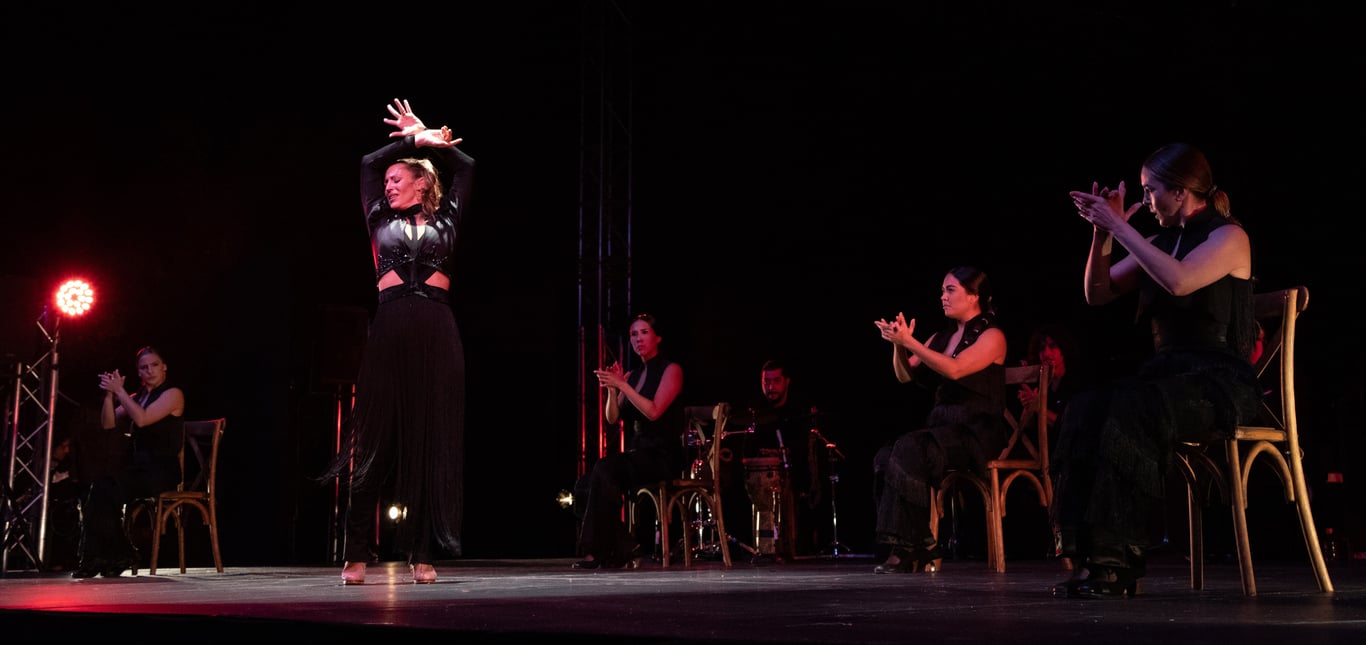
Around these three you will always find two more: palmas, the rhythmic hand-clapping that keeps the pulse, and jaleo, the encouraging shouts of ¡olé!, ¡vamos!, and ¡agua! that rise from performers and audience alike. Together, these supporting elements give flamenco its unmistakable atmosphere of shared, live intensity. This piece expands on our overview of what flamenco is, so if you are brand new to the art, start there and come back.
Cante: The Song and Soul of Flamenco
Of the three, cante is the one most often called the soul, the origin, and the traditional root of the art. Cante carries much of flamenco's emotion, and in the oldest forms it came first: the singer's voice was the seed from which the guitar and the dance later grew. That is why so many artists insist that to understand flamenco you must first learn to listen to the singer.
Cante is not smooth or polished in the way a pop vocal is. It can be raw, cracked, and searing, or hushed and aching, because its job is to deliver feeling rather than prettiness. The most important thing to know is that the dancer traditionally responds to the singer, not the other way around. The voice sets the emotional weather, and everything else answers it. When people describe flamenco as coming from deep human emotion, they are usually describing what happens in the cante.
Toque: The Guitar and Musicianship
The second of the elements of flamenco is toque, the guitar and, more broadly, the musicianship that shapes a performance. The flamenco guitar is lighter than a classical guitar and is often fitted with a golpeador, a tap plate that protects the top of the instrument from the percussive finger taps, or golpes, that are part of the playing style.
A flamenco guitarist does far more than provide accompaniment. Through techniques such as rasgueado (strumming), picado (fast single-note runs), alzapúa, and tremolo, the toque sets the harmony, drives the rhythm, and answers the singer and dancer phrase by phrase. The guitarist has to hold the compás, the rhythmic cycle of whichever style is being played, while still leaving room for the others to breathe. If you want to go deeper into the instrument and the wider ensemble, our guide to flamenco music and instruments covers it in detail.
Baile: The Dance
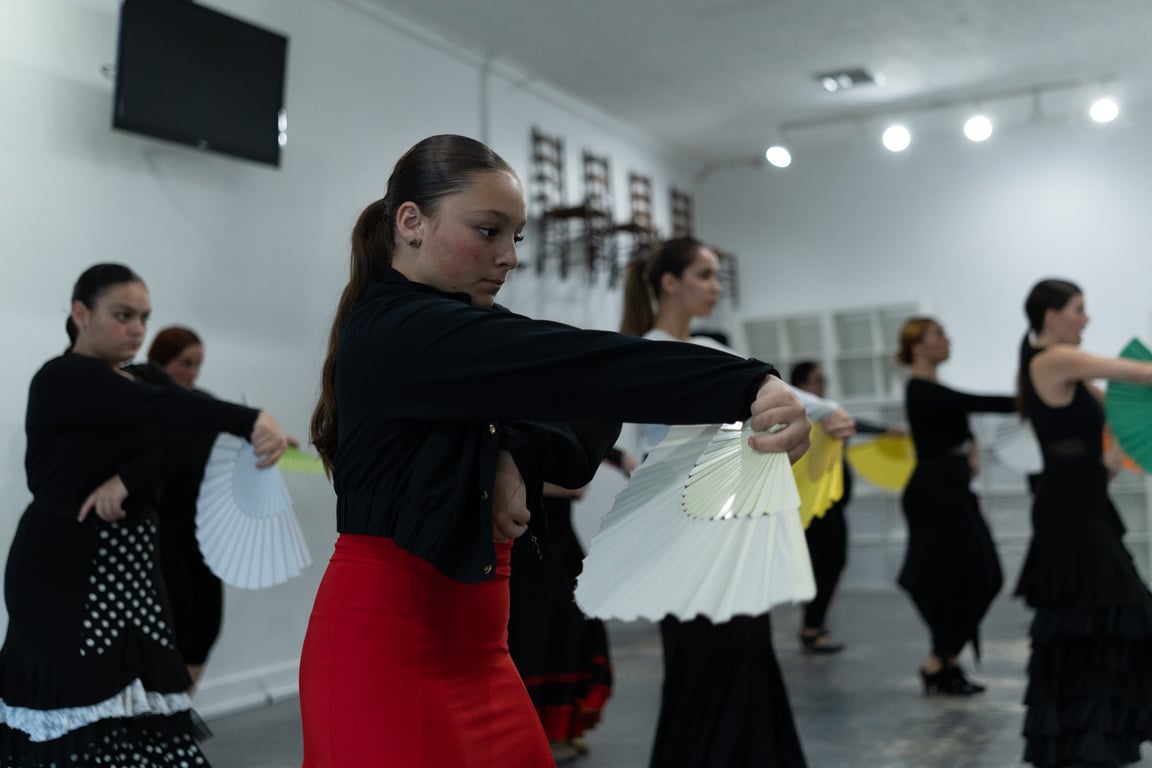
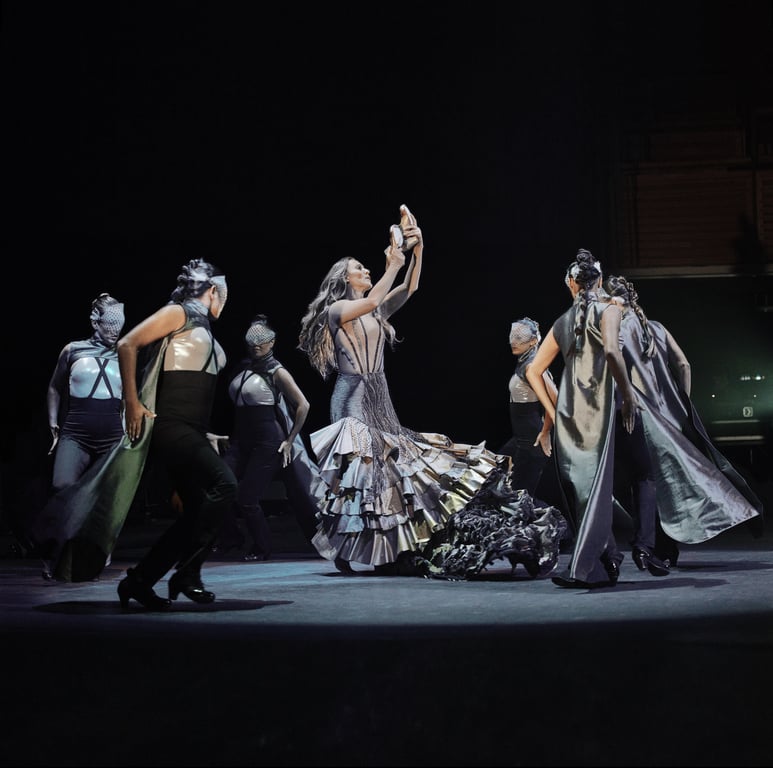
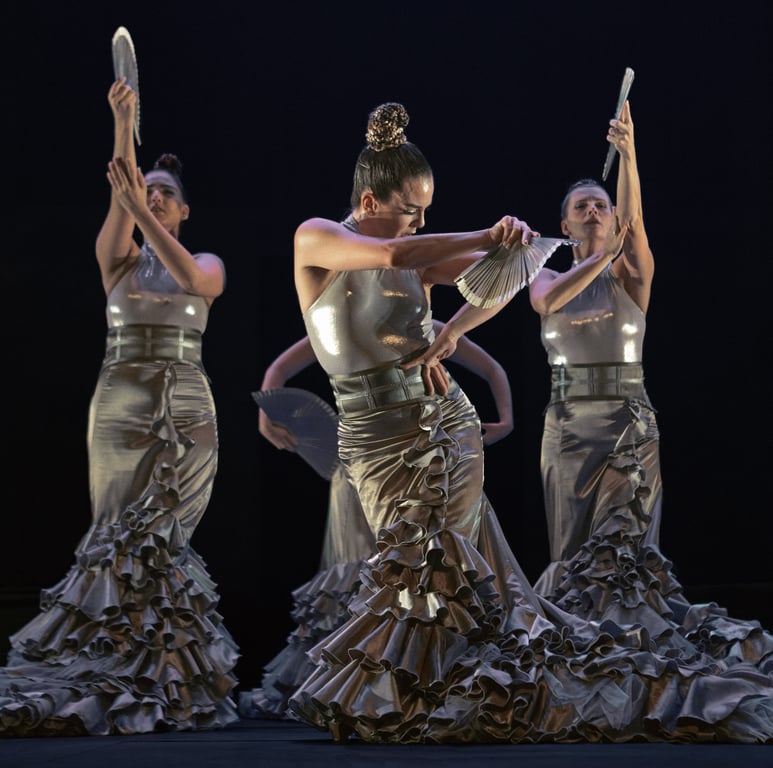
The third element, baile, is the one most people picture when they think of flamenco: the sculpted arms, the proud posture, and the famous percussive footwork. But baile is not a solo act performed to music. A great dancer is a musician of the body, listening to the cante and the toque and shaping movement in answer to them.
Ready to put this into practice?
Train with Siudy Garrido through our On-Demand Flamenco Courses — structured, professional flamenco instruction you can start today.
The footwork flamenco is known for is called zapateado, built from clear strikes such as the planta (ball of the foot), tacón (heel), and golpe (a strike of the whole flat foot at once). The goal is always clarity and compás, never speed for its own sake. Above the waist, the arms move in slow, circular braceo while the wrists and fingers articulate in floreo. Holding it all together is postura, the proud, grounded carriage, spine long and chest open, that gives a flamenco dancer such commanding presence.
Palmas and Jaleo: The Supporting Elements
The three core elements rarely stand alone. Two supporting elements surround them and knit the performance together.
- Palmas — the rhythmic hand-clapping that keeps flamenco's pulse. They come in two flavors: palmas sordas, muffled and deep, and palmas claras, sharp and crisp. Skilled palmeros are musicians in their own right, marking the compás so precisely that the whole group can lock into the same rhythm.
- Jaleo — the encouraging shouts, such as ¡olé!, ¡vamos!, and ¡agua!, that performers and audience call out to lift the artists and mark the most intense moments. Jaleo is not an interruption; it is part of the music, a sign that the room is alive to what is happening.
One more voice often joins the ensemble: the cajón, a Peruvian box drum introduced to flamenco in the late 1970s, which has since become a standard part of many groups. Yet even with added percussion, palmas and jaleo remain the beating heart of flamenco's rhythmic conversation.
How the Elements of Flamenco Interact Live
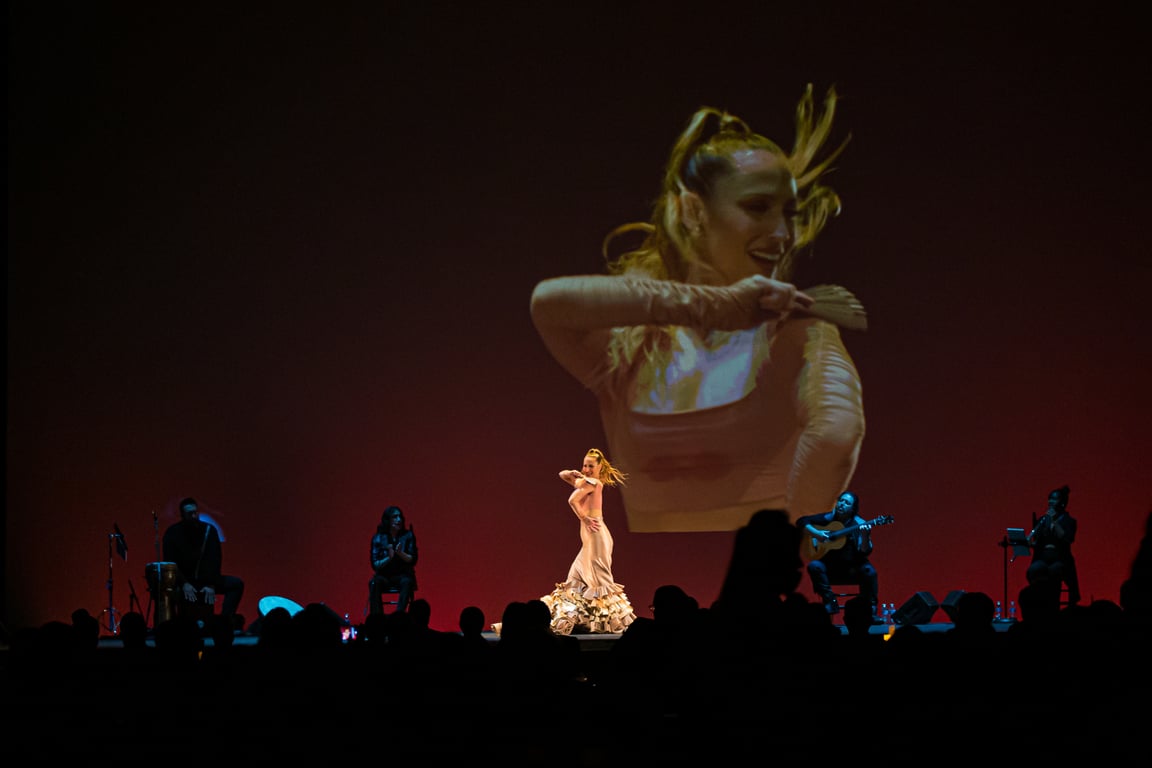
The magic of flamenco is not in any single element but in how they respond to one another in real time. In a live performance the cante, toque, and baile are in constant conversation. The singer sets an emotional current, the guitarist shapes the harmony and rhythm, and the dancer both listens and drives the whole exchange.
Watch closely and you will see the hierarchy at work. The dancer waits on the cante, marking time with quiet, connective steps while the singer unfolds a line, then answers the guitar with a burst of footwork. A raised hand or a shift of weight can signal a change to the rest of the group, and a sharp closing accent can bring a section to a decisive end. Because so much of this is improvised within the shared compás, no two performances are ever quite the same. The elements are not parallel tracks played at once; they are partners in a dialogue.
This is also why flamenco is best experienced live, in a tablao, where the exchange between artists happens in the moment and the audience's palmas and jaleo become part of the performance. When everything aligns and the artists give themselves fully to the moment, you feel the quality flamenco calls duende, the heightened emotional authenticity that lifts a performance from correct to unforgettable.
Learning to Hear All Three
Once you can pick out cante, toque, and baile separately, flamenco stops being a blur and becomes a language you can follow. Try it the next time you watch: listen first for the singer, then trace how the guitar answers, then notice how the dancer waits and responds. You will begin to hear the conversation rather than just the noise.
If watching the elements of flamenco has left you wanting to move, the natural next step is to study the dance properly. Explore on-demand flamenco classes with two-time Latin Grammy–nominated artist Siudy Garrido, where you can learn to listen to the cante and answer the toque with your own baile, one compás at a time. For more on the culture, technique, and history behind the art, browse the full flamenco blog. The more of flamenco you can hear, the more deeply it will move you.
Frequently asked questions
What are the three elements of flamenco?
What is cante in flamenco?
What are palmas and jaleo?
How do cante, toque, and baile work together?
Start dancing flamenco with Siudy Garrido
On-Demand Flamenco Courses — professional instruction, at your pace.
Explore Courses →