How Long Does It Take to Learn Flamenco?
The Honest Answer: It Depends on Your Goal
Ask ten dancers how long does it take to learn flamenco and you will get ten different answers. The truth is that flamenco is not a single skill you finish, but a layered art you keep deepening for life. Still, there are realistic milestones you can expect along the way.
After decades on stages worldwide and in the studio, two-time Latin Grammy nominee Siudy Garrido teaches that your timeline depends entirely on one question: what do you actually want to do? Feeling the rhythm in your body at a party is very different from performing a full soleá with live guitar and cante.
Let's break down what you can realistically expect at each stage.
What You Are Actually Learning
Flamenco progress feels slow to beginners because you are building several skills at once. Understanding these pillars explains why the timeline stretches the way it does.
- Compás — the rhythmic backbone of flamenco. Each palo (style) has its own accented cycle, and internalizing compás is the single biggest hurdle for most students.
- Técnica — footwork (zapateado), arm movement (braceo), hand articulation (floreo), posture, and turns.
- Musicality — learning to listen to guitar and cante and respond, rather than counting silently in your head.
- Expression — the emotional weight, or duende, that separates steps from real flamenco.
Because these develop in parallel, progress is rarely linear. You may nail a footwork pattern one week and struggle with the same compás the next. That is normal.
Realistic Timelines by Level
First 1 to 3 Months: The Foundation
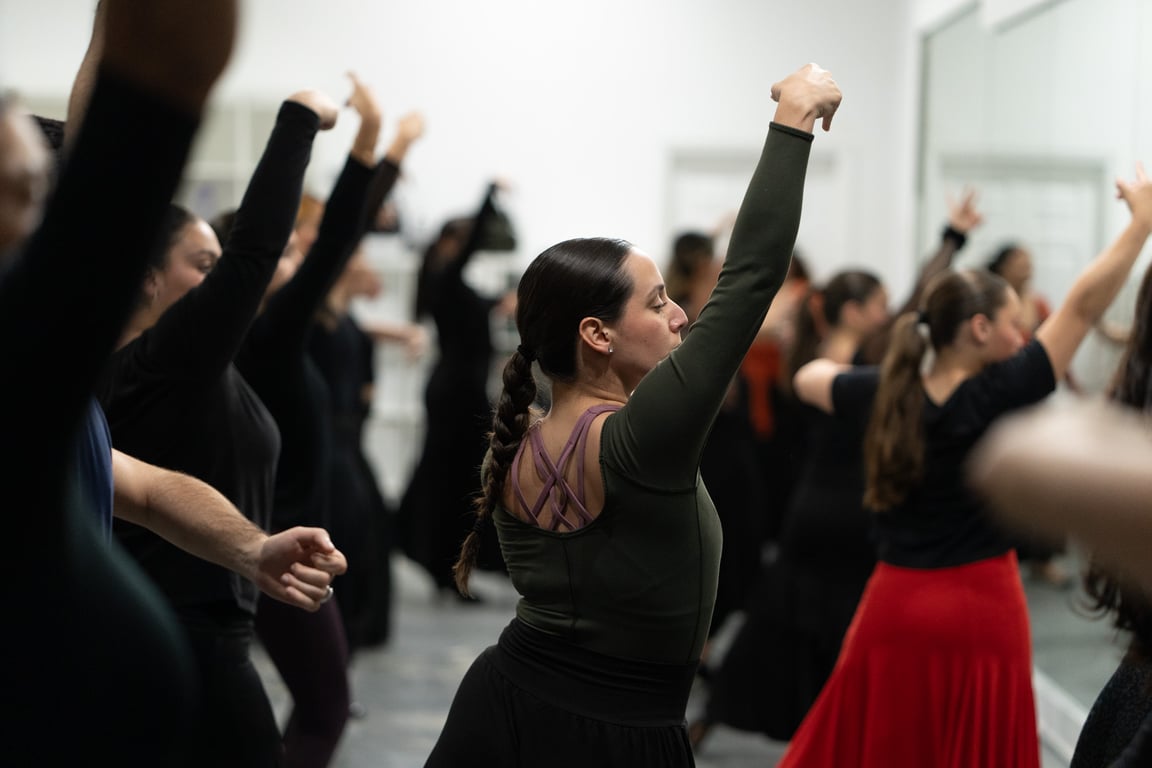
In your first months, you will learn basic posture, simple marking steps (marcaje), fundamental arm movement, and how to count the most common compás patterns. You will not look like a professional yet, and you should not expect to. The goal here is comfort in your body and beginning to feel the rhythm rather than count it mechanically.
Consistent practice matters more than long sessions. Twenty to thirty focused minutes several times a week beats one exhausting hour on a Sunday.
3 to 12 Months: Building Real Technique
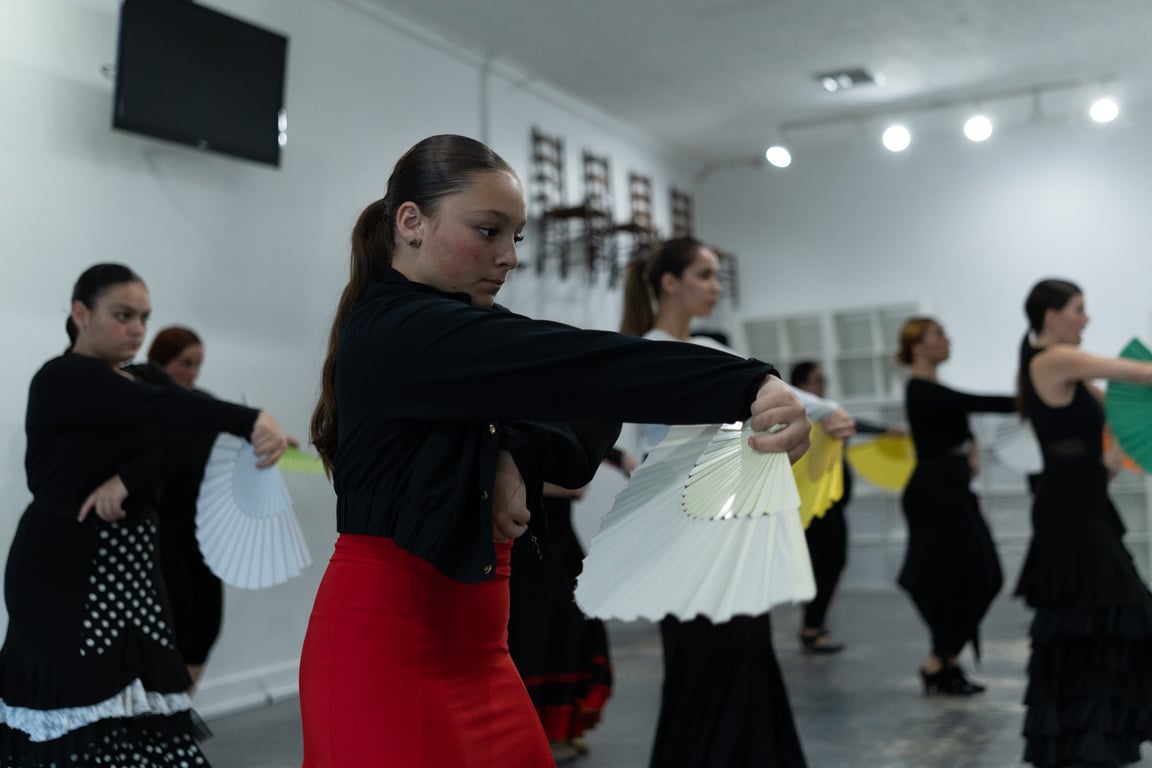
By the end of your first year of steady practice, most students can perform a short choreography, hold basic compás confidently, and execute clean footwork at a moderate tempo. You will start to recognize different palos by ear and understand the structure of a flamenco piece.
Ready to put this into practice?
Train with Siudy Garrido through our On-Demand Flamenco Courses — structured, professional flamenco instruction you can start today.
This is the stage where a structured curriculum pays off most. Working through sequenced lessons prevents the frustrating gaps that come from learning random steps out of order. Our on-demand flamenco classes are built exactly for this, letting you rewind, slow down, and drill each element until it lands.
1 to 3 Years: Intermediate Fluency
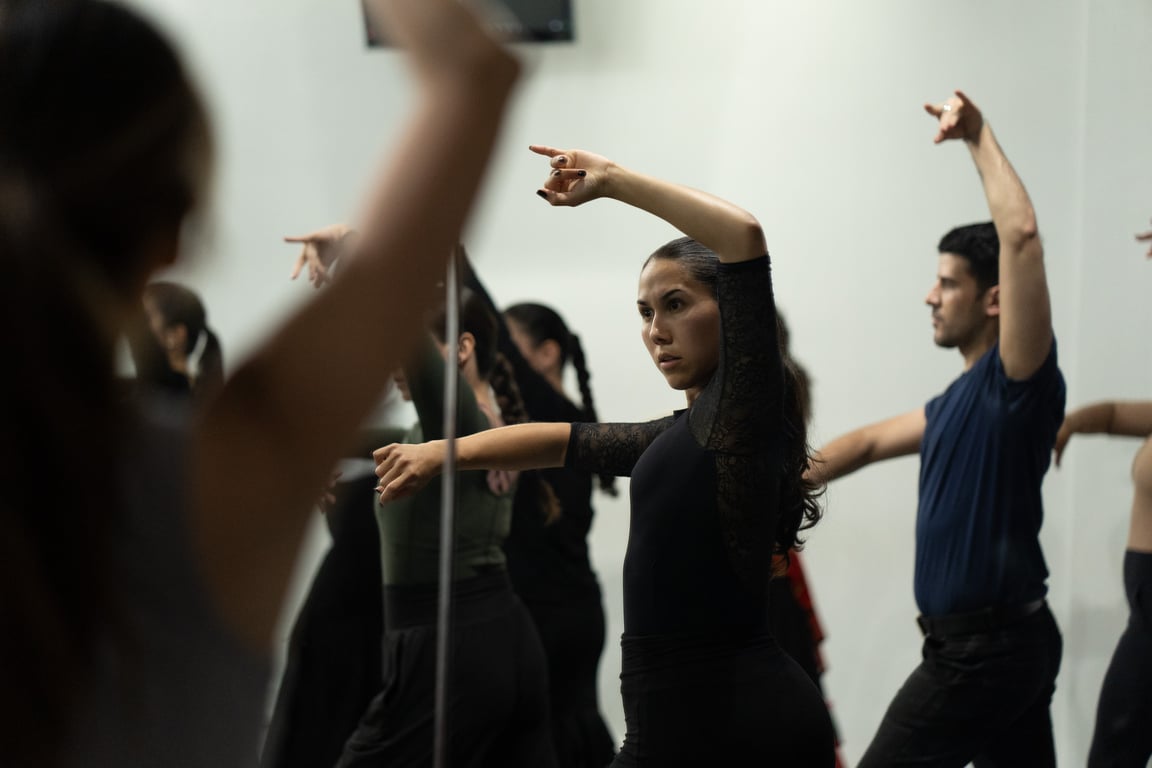
Somewhere between the first and third year, flamenco stops feeling like a series of exercises and starts feeling like dance. Intermediate dancers can pick up choreography faster, handle faster footwork, layer arms and feet independently, and begin experimenting with dynamics and pauses. Compás becomes intuitive rather than effortful.
Many recreational dancers are perfectly happy staying at this level, and there is nothing wrong with that. You can dance beautifully, join a class, and genuinely enjoy the art without ever aiming for a stage.
3 to 5+ Years: Performance Readiness
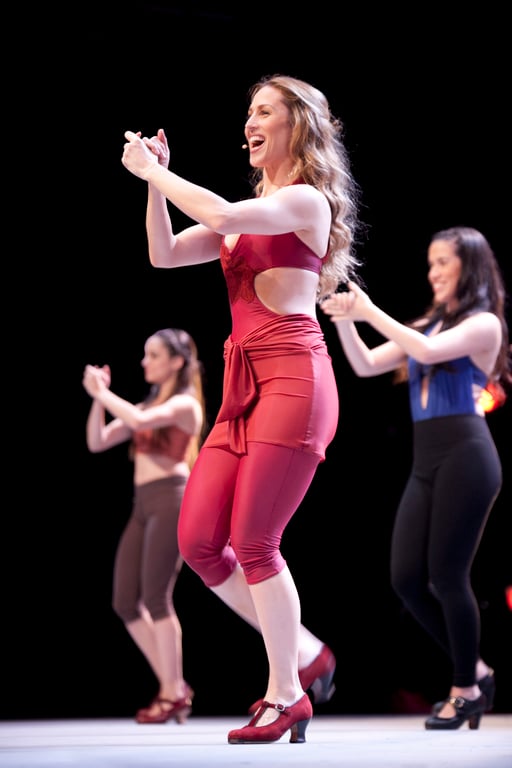
Dancing flamenco professionally, or performing with live musicians, generally takes three to five years or more of dedicated training. At this level you are not just executing choreography, you are improvising within compás, responding in real time to the guitarist and singer, and carrying genuine emotional expression. This is the difference between reciting flamenco and speaking it.
What Makes the Biggest Difference
Two students starting on the same day can progress at very different rates. In my experience, these factors matter most:
- Consistency over intensity — regular short practice beats occasional marathons for building muscle memory and internalizing compás.
- Quality of instruction — learning correct technique from the start prevents years of un-learning bad habits.
- Rhythmic ear — students with music backgrounds often absorb compás faster, but anyone can develop it with focused listening.
- Deliberate practice — drilling the specific thing you struggle with, rather than only repeating what you already do well.
Can You Speed It Up?
You cannot rush the internalization of compás, but you can absolutely make every practice hour count more. The dancers who progress fastest treat learning as a system, not a hobby: they follow a clear progression, get regular feedback, and practice with intention.
If you want a complete roadmap for structuring that journey, from choosing your first palo to combining online study with in-person feedback, read our full guide on how to learn flamenco. It ties together everything covered here into a step-by-step plan you can start today.
Start Where You Are
So, how long does it take to learn flamenco? Long enough to be worth doing well, and short enough that you will feel real progress within your first few months. Whether your goal is joy, fitness, or the stage, the path begins the same way: consistent, guided practice.
Ready to take your first steps with proper technique from day one? Explore Siudy Garrido's structured on-demand flamenco courses and start building your foundation at your own pace.
Frequently asked questions
How long does it take to learn flamenco as a complete beginner?
Can I learn flamenco on my own at home?
How long before I can perform flamenco on stage?
Is flamenco harder to learn than other dance styles?
Start dancing flamenco with Siudy Garrido
On-Demand Flamenco Courses — professional instruction, at your pace.
Explore Courses →