Women in Flamenco: The Bailaora, the Cantaora, and the Great Women
 Part of our guide
What Is Flamenco? Meaning, Origins, and the Art Explained →
Part of our guide
What Is Flamenco? Meaning, Origins, and the Art Explained →
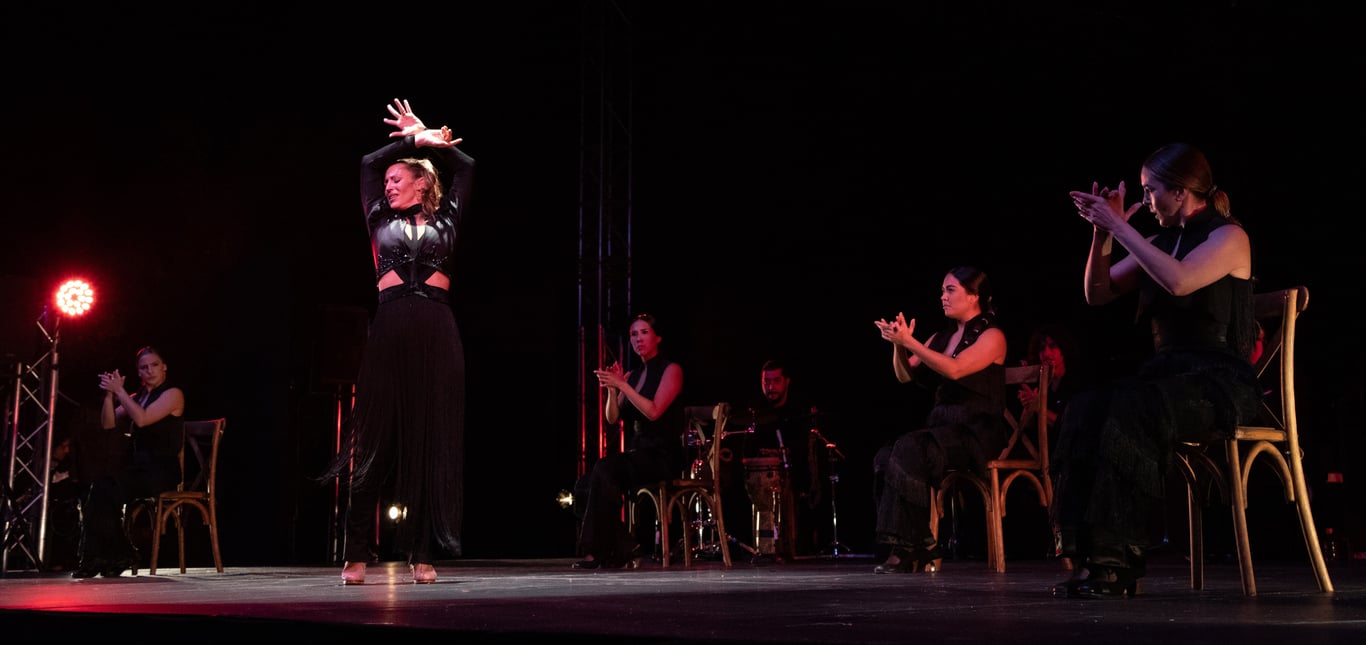
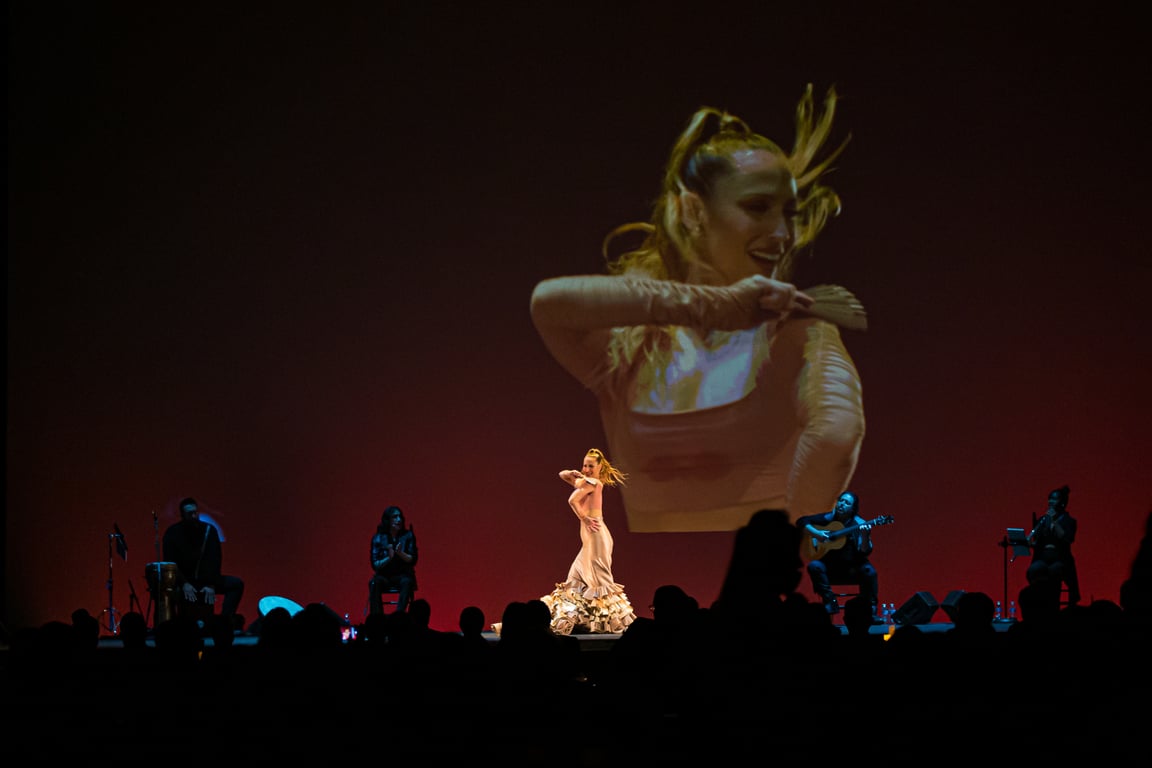
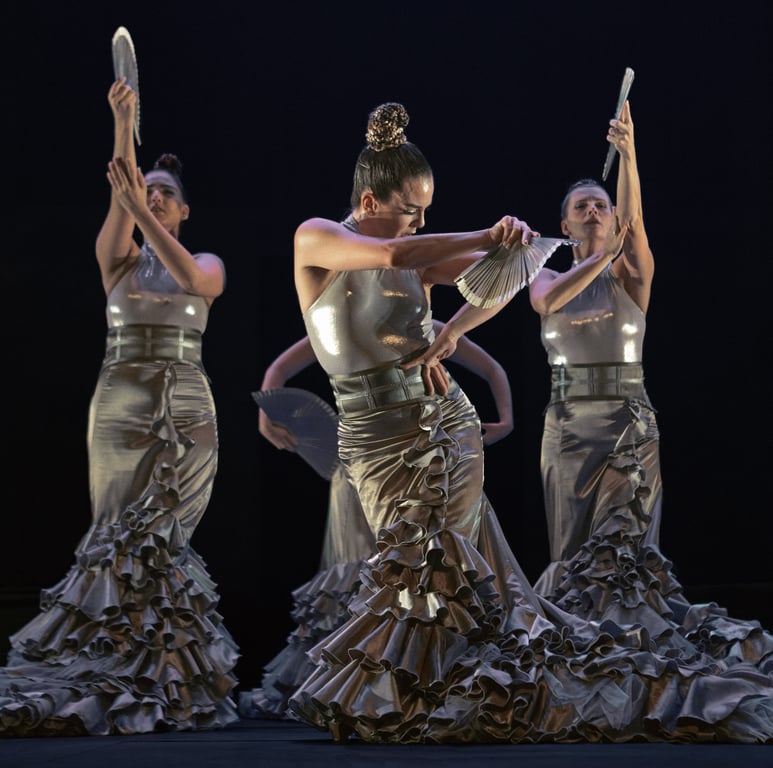
Flamenco is often pictured as a woman in a ruffled dress, and there is truth in that image — but only if we understand how much it leaves out. Women have not merely appeared in flamenco; they have shaped its song and its dance from the art's earliest professional stages, and the women in flamenco stand among its most decisive figures.
This piece is part of our broader look at what flamenco is, and it is a companion to our guide on the men in flamenco. We will examine the central role of women in both cante (song) and baile (dance), the tendencies of the female dance tradition, the bata de cola and the mantón, and the great women who carried the art to the world — always with the caution that these are tendencies, never rules.
Women in Flamenco: Central to Cante and Baile
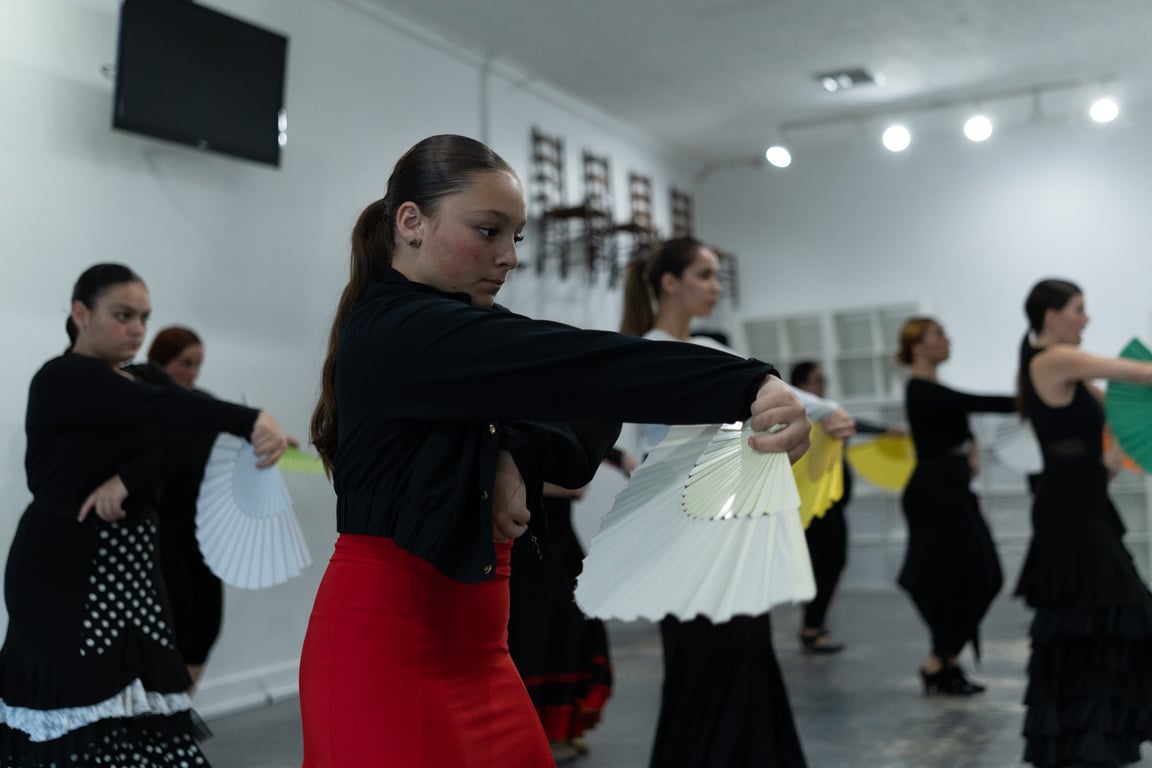
To understand the place of women in flamenco, it helps to set aside the idea that women belong only to the dance. In the cante (song), the emotional heart of flamenco, women known as cantaoras have carried the most profound and demanding forms of the repertoire. In the baile (dance), bailaoras have defined much of its expressive language, from the carriage of the arms to the handling of the long-trained dress.
It is worth stating plainly what the female tradition is not. It is not the ornamental half of an art whose serious work belongs to men. Women and men dance the same palos (styles), answer to the same cante, and move within the same compás (rhythmic cycle). What has differed historically is emphasis and flavor — and even those differences are tendencies that today's artists treat as a shared palette rather than a boundary.
The Female Baile Tradition: Tendencies, Not Rules
When people speak of a distinctly female style, they are describing historical leanings in the baile rather than a fixed rulebook. A few tendencies come up most often, each best understood as a matter of degree.
- Expressive braceo. The female tradition has long emphasized the braceo, the slow, circular, continuous movement of the arms, drawn in soft, rounded lines that seem to shape the air around the body. Where the male tradition has often carried the arms in a more angular way, the female style has tended toward fluidity and curve.
- Delicate floreo. Closely tied to the braceo is the floreo — the intricate rotation of the wrists and articulation of the fingers that turns the hands themselves into instruments of expression. It is one of the most refined and recognizable elements of female dancing.
- The handling of props. Much of the tradition's most striking imagery comes from the bata de cola, a dress with a long train, and the mantón, a large fringed shawl — both discussed below.
These are broad historical tendencies, and it is important not to harden them into stereotypes. Great female dancers have long commanded thunderous footwork of their own — Carmen Amaya, one of the towering figures of the entire art, was celebrated for mastering the fast, powerful zapateado (percussive footwork) once associated with men. The modern stage treats power and delicacy as a common vocabulary. A female flamenco dancer today moves between so-called feminine and masculine registers as the music demands, and the finest artists refuse to be confined by either.
The Bata de Cola and the Mantón
Two props, more than any others, have come to symbolize the female baile tradition, and both are exercises in controlled power as much as in grace.
Ready to put this into practice?
Train with Siudy Garrido through our On-Demand Flamenco Courses — structured, professional flamenco instruction you can start today.
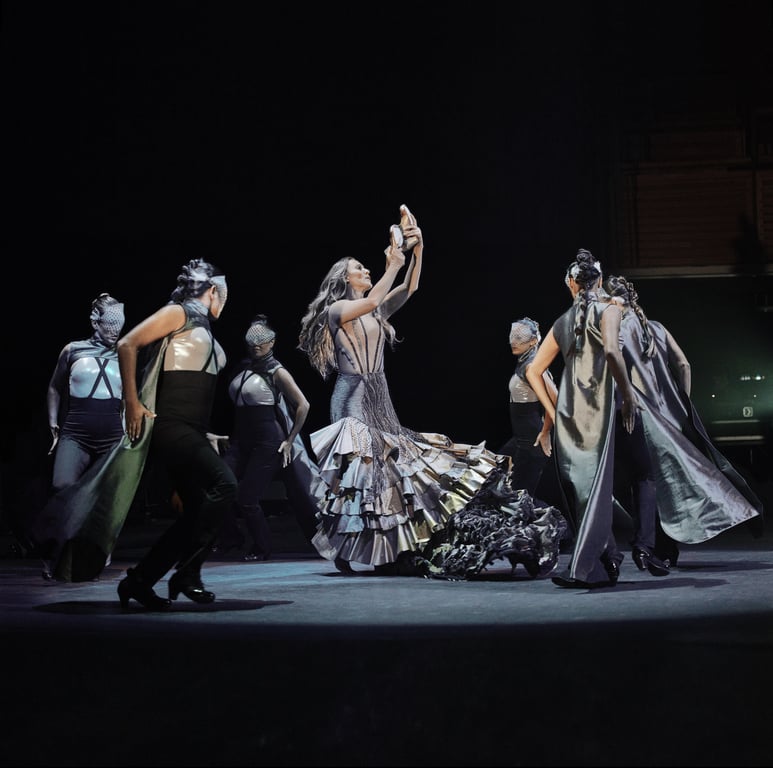
The bata de cola is a flamenco dress with a long train that the dancer does not merely wear but actively dances — sweeping, flicking, and gathering it as part of the choreography itself. It is reserved for advanced performance for good reason: the dancer must manage the weight and momentum of the train, sending it into broad arcs and then reclaiming it, all while keeping her footwork and arms exact. Far from softening the dance, it demands strength, timing, and control. Our dedicated guide explains what a bata de cola is.
The mantón, more fully the mantón de Manila, is a large, square, embroidered silk shawl with a long fringe. It reached Andalusia through the historic silk trade routed through Manila to Seville and has been used in Spanish dance since the late 18th century. In skilled hands it produces broad, sweeping, sculptural motion, the fringe tracing the air as the shawl opens and folds. Like the bata de cola, it rewards strength and precise timing, turning fabric into an extension of the dancer's line.
Great Women in Flamenco: The Dancers
The female tradition is best understood through the artists who embodied it. Among the bailaoras, a handful redefined what women could do on a flamenco stage.
- Carmen Amaya — a Spanish Roma dancer, born in the Somorrostro district of Barcelona, who is often called the greatest flamenco dancer who ever lived. She was the first woman to master the fast, powerful zapateado previously associated with male dancers, and she famously danced in high-waisted trousers, upending expectations of how a woman was supposed to move. Read more in our profile of Carmen Amaya.
- Sara Baras — born in San Fernando, Cádiz, she founded her own company, Ballet Flamenco Sara Baras, and is acclaimed for her footwork and her large-scale theatrical productions, which have carried flamenco to major stages worldwide.
- Eva Yerbabuena — founder of her own company and a winner of Spain's National Dance Award, admired for the emotional depth of her dancing and for continually reinventing her art.
- Manuela Carrasco — revered for a deeply traditional and powerful style, a dancer who embodies the rooted, unadorned intensity at the heart of flamenco.
To place these dancers among the wider pantheon, read our overview of the most famous flamenco dancers.
Great Women in Flamenco: The Singers
The cante is the emotional core of flamenco, and women have carried some of its most profound forms. Two cantaoras illustrate the range of the female voice.
- La Niña de los Peines — Pastora Pavón Cruz, born in Seville, is remembered as one of the greatest cantaoras in the history of flamenco. She was admired by figures such as the poet Federico García Lorca and the composer Manuel de Falla; Lorca linked his own idea of duende — the heightened emotional authenticity of a great performance — to the experience of hearing her sing.
- Estrella Morente — daughter of the revolutionary cantaor Enrique Morente, she is a leading contemporary cantaora, a recipient of Spain's National Music Award and a Latin Grammy nominee, carrying the tradition into the present day.
That women stand at the summit of the cante, the very heart of flamenco, is the clearest answer to anyone who imagines the female role as ornamental. The voice that sets the emotional current for a performance has, again and again, been a woman's.
Studying Flamenco in the Female Tradition
The lesson running through all of this is that the female tradition in flamenco is defined less by a rigid template than by an approach — expressive arms, articulate hands, the sculptural command of dress and shawl, and footwork placed exactly in compás — that any serious dancer can make her own. What the great bailaoras and cantaoras share is not a single way of moving or singing but a command of rhythm, posture, and expression built patiently over years.
If watching the women of flamenco has left you wanting to move, the way in is the same for anyone: rhythm first, then posture and arms, then footwork, in the order a serious program teaches. Explore on-demand flamenco classes with two-time Latin Grammy–nominated artist Siudy Garrido to build that foundation at your own pace, and browse more guides on our flamenco blog to keep going deeper into the art.
Frequently asked questions
What is the role of women in flamenco?
What defines the female flamenco dancer's style?
What is the bata de cola in flamenco?
Who are the most famous women in flamenco?
Start dancing flamenco with Siudy Garrido
On-Demand Flamenco Courses — professional instruction, at your pace.
Explore Courses →