What Is Martinete? The Flamenco Cante Born in the Forge
 Part of our guide
The Palos of Flamenco: A Guide to the Styles and Forms →
Part of our guide
The Palos of Flamenco: A Guide to the Styles and Forms →
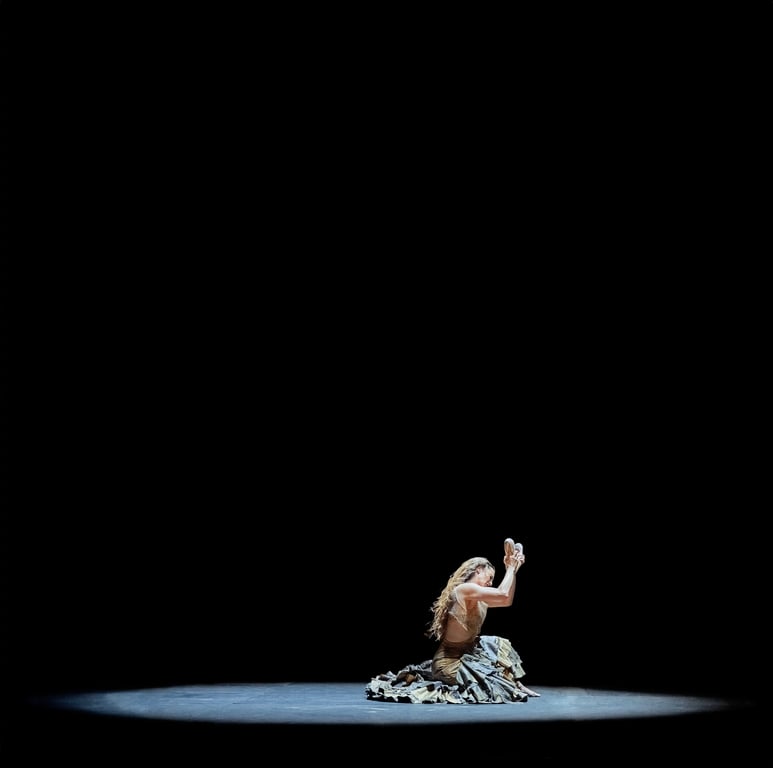
Of all the forms in flamenco, few are as starkly moving as the martinete. There is no guitar, no melodic instrument, sometimes not even a clap — only a voice, and perhaps the ring of a hammer against iron. To understand the martinete is to understand flamenco at its most elemental, stripped back to the raw human cry from which so much of the art grew.
This guide is part of our wider survey of the palos of flamenco, the distinct styles into which the art is organized. Here we look at what the martinete is, where it came from, what it means to sing a palo seco, and why this grave, forge-born song holds such a revered place in the flamenco tradition.
What Is a Martinete? One of the Great Cantes
The martinete is one of the great cantes, or songs, of flamenco. It belongs to a family of unaccompanied song known as the toná — a group of the oldest and most austere flamenco forms, sung without guitar. Within that family, the martinete is perhaps the most famous member.
What sets it apart from most of flamenco is precisely what it lacks. Where the majority of palos weave together cante (song), toque (guitar), and baile (dance) into a single conversation, the martinete removes the guitar entirely. The voice carries the entire weight of the form alone, with nothing to hide behind. This is not a limitation but the very source of its power: the martinete lays the singer's expression bare.
Sung A Palo Seco: Voice Without Guitar
To describe how the martinete is performed, flamenco uses the phrase a palo seco. The expression means, literally, something like “on a bare stick” — and in practice it means sung without any guitar or melodic accompaniment at all. The voice stands entirely on its own.
Singing a palo seco is one of the most demanding things a cantaor or cantaora can do. With no guitar to set the harmony, mark the pulse, or fill the silences, every note, every pause, and every break in the voice is fully exposed. There is no melodic cushion. The singer must hold pitch, phrasing, and emotional intensity through sheer command of the voice, which is why the martinete is often regarded as a test of a singer's depth rather than a display of ornament. The bareness is the point.
Born in the Forge: The Origins of the Martinete
The martinete did not begin on a stage. Its origins lie in the forges and smithies — the fraguas — of Jerez, Cádiz, and Triana, the historic quarter of Seville, where Andalusian Roma blacksmiths worked iron by hand. The song grew out of that world of heat, labor, and metal.
This working origin explains the form's most striking feature. Because it was born among smiths at their anvils, the martinete is sometimes marked only by the rhythm of a hammer striking an anvil — the steady, ringing beat of the forge standing in for any instrument. That percussive pulse, drawn from the sound of daily work, is all the accompaniment the song needs or traditionally had. In the martinete, the workplace itself became the music.
Ready to put this into practice?
Train with Siudy Garrido through our On-Demand Flamenco Courses — structured, professional flamenco instruction you can start today.
The martinete therefore sits close to the historic heart of flamenco. Jerez, Cádiz, and Seville are among the cradles of the art, and the Andalusian Roma communities who shaped so much of flamenco's rhythm, expressiveness, and vocal technique are woven directly into this song's story. To sing a martinete is, in a sense, to sound the memory of the forge.
A Grave and Profound Cante Jondo
In character, the martinete is grave, serious, and profound. It is not a festive form and never was; it belongs instead to cante jondo — literally “deep song,” the most solemn and emotionally weighty branch of flamenco singing.
Cante jondo forms are flamenco at its most searching, concerned with pain, endurance, and the darker corners of human experience rather than celebration. Sung a palo seco, with the voice utterly exposed and sometimes only a hammer to answer it, the martinete embodies that depth with unusual clarity. There is nowhere for feeling to hide, and so the form asks for total honesty from whoever sings it.
This gravity places the martinete in the company of flamenco's other great serious forms. If its unaccompanied intensity draws you in, you may find the same profound register in the seguiriyas, another of flamenco's most tragic and revered cantes.
Why the Martinete Matters
The martinete endures because it distills flamenco to its essence. Strip away the guitar, the dance, and the ornament, and what remains is a single voice giving shape to deep feeling — which is, at bottom, what flamenco has always been about. The form reminds us that before flamenco was a spectacle, it was an expression, sung by working people in the places where they lived and labored.
For anyone learning to listen to flamenco, the martinete is an ideal teacher. Because there is no guitar to follow, the ear is forced to concentrate on the voice alone — its melodic turns, its silences, its raw grain — and that focused listening deepens your appreciation of every other palo you encounter afterward. Understanding what song is doing in flamenco is central to understanding the art as a whole, a subject we explore further in our guide to cante, the flamenco song.
Continue Exploring Flamenco
The martinete is only one voice in a vast and varied tradition. Each palo opens onto a different emotional world, from the joyful to the grave, and the deeper you go, the richer the art becomes. To place the martinete within the full map of flamenco forms, return to our overview of the palos of flamenco, and browse more guides to the culture, history, and technique of the art on our flamenco blog.
And if listening has left you wanting to move — to feel compás and expression in your own body rather than only in your ear — explore on-demand flamenco classes with two-time Latin Grammy–nominated artist Siudy Garrido, and begin your own path into this extraordinary art.
Frequently asked questions
What is a martinete in flamenco?
What does a palo seco mean?
Where does the martinete come from?
Is the martinete a type of cante jondo?
Start dancing flamenco with Siudy Garrido
On-Demand Flamenco Courses — professional instruction, at your pace.
Explore Courses →