What Is Soleá? The Solemn 'Mother' Form of Flamenco
 Part of our guide
The Palos of Flamenco: A Guide to the Styles and Forms →
Part of our guide
The Palos of Flamenco: A Guide to the Styles and Forms →
Ask a flamenco artist to name the styles that sit at the very heart of the art, and soleá will almost always be among the first words spoken. Slow, solemn, and majestic, soleá is one of the great pillars of flamenco — a palo so central that it is often called a 'mother' form, one from which much of the rest of the art seems to draw. If the range of flamenco can feel overwhelming to a newcomer, soleá is one of the best places to begin understanding what gives the music and dance their gravity. This guide explains what soleá is, where its name comes from, how its rhythm works, and why it holds such a central place in both cante and baile.
Soleá is one of the many palos of flamenco — the family of distinct styles that give the art its extraordinary emotional range. If you are new to the idea of palos, that overview is the place to start; this article goes one level deeper into a single, essential form.
What Is Soleá? A Palo of Solitude and Gravity
Soleá is a flamenco palo — a style with its own rhythm, tempo, and emotional character. What defines soleá above all is its mood. It is slow, weighty, and dignified, unfolding with a sense of ceremony rather than hurry. Where some flamenco styles sparkle and celebrate, soleá broods and reflects.
That character is written into its very name. The word soleá is widely linked to soledad, the Spanish word for solitude. The connection is fitting: soleá is a music of longing and aloneness, of feeling held and expressed with great seriousness. It belongs to cante jondo — the 'deep song' tradition that carries flamenco's most profound and grave emotion — and stands alongside siguiriyas as one of the summits of that tradition. To hear a soleá sung and danced well is to feel flamenco at its most solemn and its most human.
Why Soleá Is Called a 'Mother' Form
Among all the palos, soleá occupies a special structural place. It is frequently described as a foundational or 'mother' form of flamenco, because so many other palos relate to it. Its rhythmic frame and its emotional register ripple outward through much of the art, shaping how other styles are understood, taught, and felt.
This is why soleá is treated as a cornerstone for serious students. Learning to sit inside its compás, to move with control at a slow tempo, and to carry its solemn feeling gives a dancer or singer a grounding that transfers to much of the rest of flamenco. Master the discipline soleá demands, and a great deal of the wider repertoire becomes more legible. It is less a single style to be checked off than a source that the tradition keeps returning to.
The Compás of Soleá
Rhythmically, soleá belongs to flamenco's twelve-beat family — the group of palos organized around a distinctive twelve-count cycle. It shares that cycle with styles such as alegrías, bulerías, and siguiriyas, which is worth pausing on: these palos can share the same underlying count yet feel completely different from one another. What separates them is tempo, accent, and mood rather than the number itself.
Ready to put this into practice?
Train with Siudy Garrido through our On-Demand Flamenco Courses — structured, professional flamenco instruction you can start today.
Within that family, soleá is the slow, grave one. Its unhurried tempo is central to its identity — the space between accents is where its dignity and tension live. A useful point of contrast is its faster cousin: our guide to what bulerías are covers the quick, festive palo that rides the same twelve-beat cycle at high speed, often to close a performance in celebration. Soleá and bulerías are, in a sense, two moods of one rhythmic world.
A word of caution about the compás: the exact accent pattern of soleá varies from school to school and from singer to singer. Rather than memorize a rigid diagram of accented beats, flamenco is traditionally learned by hearing the compás and clapping it with palmas, the rhythmic hand-clapping that keeps everyone locked together. The count gives soleá its architecture, but the feel is what a student ultimately internalizes.
Soleá in Cante and Baile
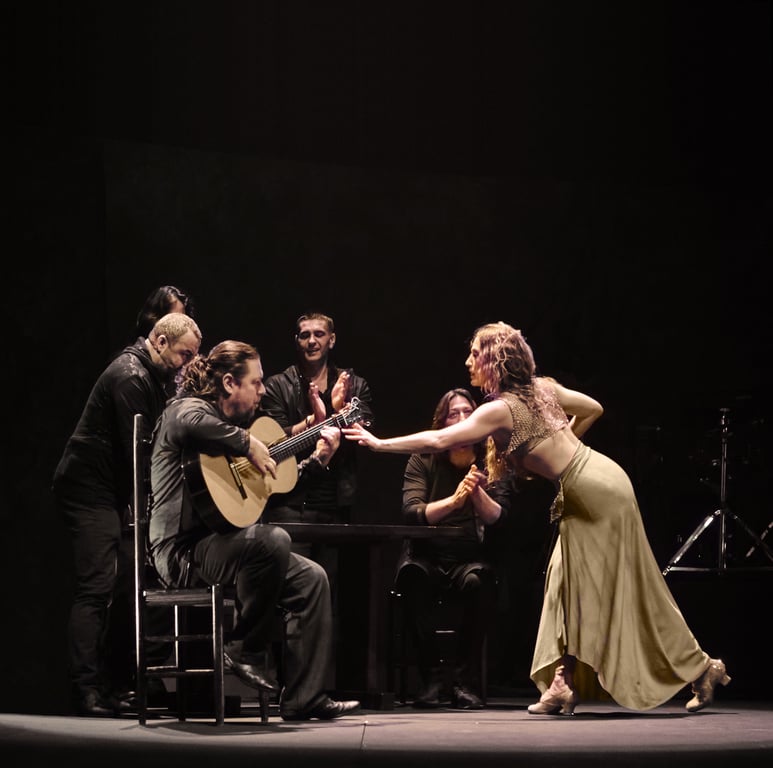
In flamenco, much of the emotion is carried by the cante, the song, and traditionally the dancer responds to the singer. Nowhere is this relationship more important than in soleá. The soleá cante is among the most respected in the repertoire — profound, deliberate, and unforgiving of anything superficial. To sing it well is a mark of real command.
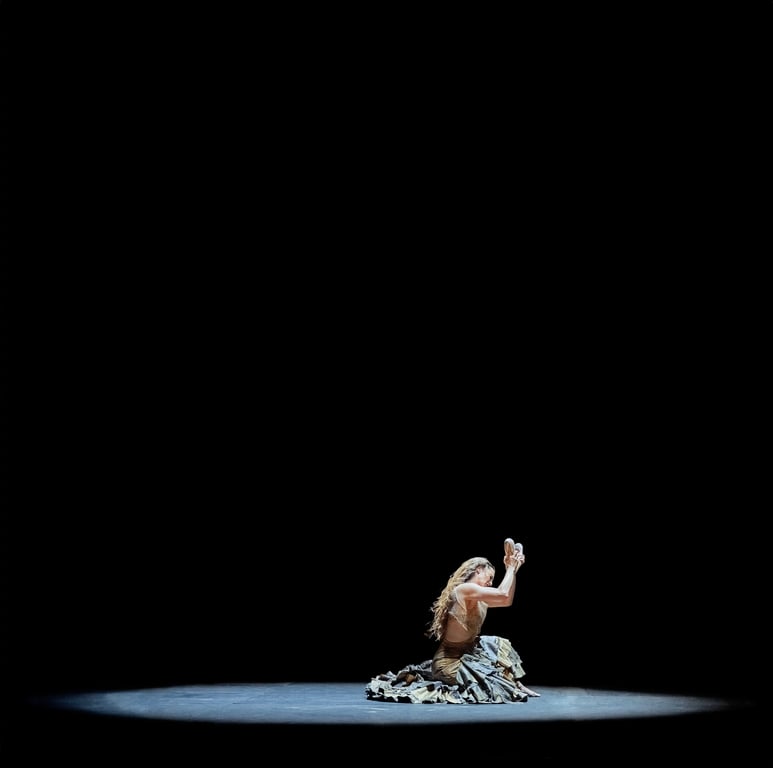
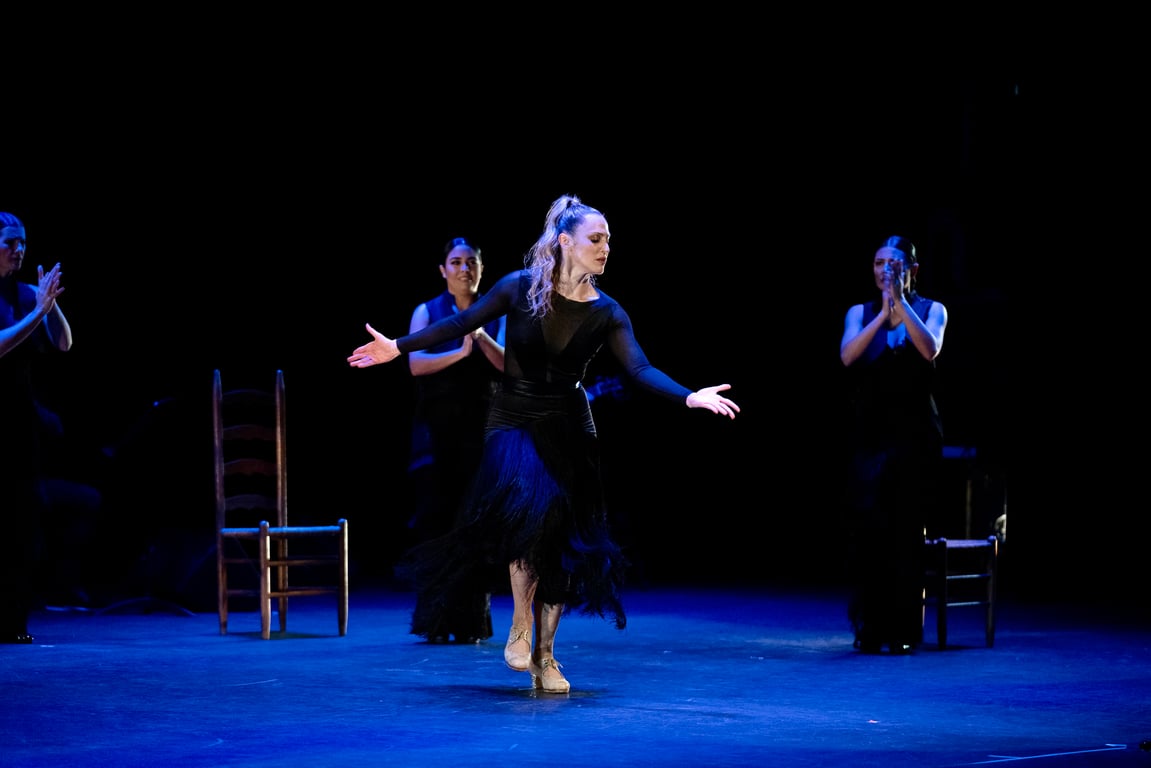
In the baile, the dance, soleá is a form of tremendous depth. Its slow tempo is precisely what makes it demanding: there is nowhere to hide behind speed. Every movement must be controlled and expressive — the grounded, proud postura with its long spine and open chest, the slow and continuous braceo of the arms, the marking steps that connect one moment to the next as the cante unfolds. Even the silences carry weight. When percussive footwork does arrive, its power comes from clarity and its place within the compás, never from mere velocity.
This is why so many teachers treat soleá as a form students grow into rather than rush toward. It rewards patience, listening, and emotional honesty. Dancing a soleá is less about executing steps than about inhabiting a feeling and sustaining it — which is exactly what makes it such a profound teacher of the art.
Where Soleá Sits in the Larger Picture
Understanding soleá unlocks a great deal of flamenco. Once you can feel its slow twelve-beat pulse and recognize its solemn register, you have a fixed point from which to place other palos — the joyful lift of alegrías, the quick play of bulerías, the tragic weight of siguiriyas. Soleá is the grave, grounding center around which so much of the rest turns, which is why it earns its reputation as a 'mother' form.
For a fuller map of how soleá relates to the other styles, return to our guide to the palos of flamenco, and browse more articles on the flamenco blog. And when you are ready to move from listening to dancing — to feel a soleá slow you down and teach you to hold a moment — explore Siudy Garrido's on-demand flamenco classes, which guide you into the compás of the essential palos step by step. Soleá asks for patience, and it gives depth in return.
Frequently asked questions
What does soleá mean?
Why is soleá called the 'mother' of flamenco?
What is the rhythm of soleá?
Is soleá hard to learn?
Start dancing flamenco with Siudy Garrido
On-Demand Flamenco Courses — professional instruction, at your pace.
Explore Courses →