What Is Farruca? The Forceful Flamenco Dance Explained
 Part of our guide
The Palos of Flamenco: A Guide to the Styles and Forms →
Part of our guide
The Palos of Flamenco: A Guide to the Styles and Forms →
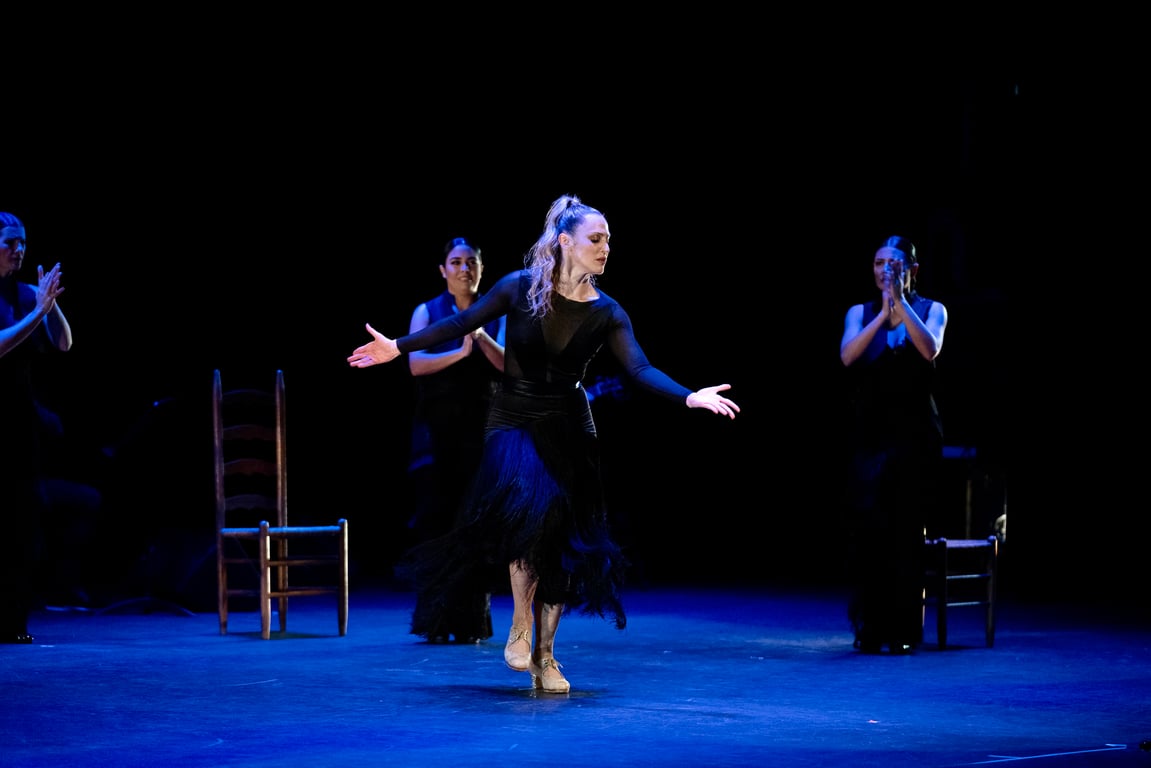
Among the many styles that make up flamenco, few are as immediately striking as the farruca. It is the palo most associated with sheer force at the feet: a dancer planted, grounded, and driving out volleys of percussive footwork with an intensity that can feel almost combative. If you have watched a solo dancer command a stage with nothing but rhythm and resolve, you may well have been watching a farruca.
This guide, part of our overview of the palos of flamenco, explains what the farruca is, where it comes from, and what gives it such a distinctive dramatic character. As with every palo, understanding its origins and structure changes how you hear and watch it.
What Is a Farruca? Defining the Palo
The farruca is a flamenco palo distinguished by its dramatic, driving quality and its display of forceful, virtuosic zapateado (percussive footwork). Where some palos foreground the voice or a swaying grace, the farruca foregrounds the feet. It is a style built to showcase rhythmic power and technical command, and it has become one of flamenco's signature vehicles for pure footwork.
What sets the farruca apart from most of its fellow palos is that it did not originate in flamenco's Andalusian heartland at all. It arrived from elsewhere and was absorbed into the art, which makes its story a useful reminder that flamenco has always grown by taking in outside material and reshaping it in its own terms.
Northern Roots: From Folk Song to Flamenco
The farruca began not as a flamenco form but as a folkloric song from northern Spain, associated with the regions of Galicia and Asturias on the country's northern coast. This is unusual: flamenco's roots lie overwhelmingly in the south, in Andalucía (Andalusia), so a palo with northern origins stands apart from the outset.
At some point this northern song was brought into flamenco and, in the process, took on flamenco character. Flamenco artists adapted it to their own phrasing, harmony, and rhythmic sensibility, and gave it the emotional weight and dramatic build that mark the style we know today. The farruca is therefore best understood as a form that migrated into flamenco and was transformed by it, rather than one that grew up within it. That process of absorption is common in flamenco, and it is part of why the palos form such a varied family.
A Dance of Force: The Male Tradition and Virtuosic Footwork
The single most defining feature of the farruca in the dance is its emphasis on forceful, virtuosic zapateado. In flamenco, zapateado is the percussive footwork built from clear strikes — the planta (ball of the foot), the tacón (heel), and the golpe (a strike of the whole flat foot) — and the farruca hands this footwork the spotlight. Rather than serving as one element among several, the feet become the centerpiece, delivering rhythmic passages of considerable speed, weight, and complexity.
Historically, the farruca has been associated with the male dancer, or bailaor. Because the style became a showcase for powerful, athletic footwork and a grounded, commanding stance, it settled into flamenco's repertoire as a characteristically male solo — a form in which a single dancer could demonstrate technical mastery and physical authority. That historical association remains part of the farruca's identity and is worth understanding on its own terms.
Ready to put this into practice?
Train with Siudy Garrido through our On-Demand Flamenco Courses — structured, professional flamenco instruction you can start today.
It is equally important to be clear that this is a matter of tradition, not of rule. Today women dance the farruca as well, bringing the same force and virtuosity to it, and the style is no longer the exclusive province of men. The male association describes where the farruca comes from historically; it does not fence off who may dance it now.
Minor Key and Four-Beat Compas
Two musical features give the farruca its unmistakable feeling. The first is that it is set in a minor key, which lends it a somber, tense, and dramatic color. That minor tonality is a large part of why the farruca reads as serious and driving rather than festive; the harmony itself carries a sense of gravity that the footwork then intensifies.
The second is its rhythm. The farruca sits in a four-beat, binary compás — the compás being the rhythmic cycle that organizes a palo. This places the farruca in the simpler four-count family alongside forms such as tangos, rather than in the twelve-beat cycle shared by palos like soleá, alegrías, and bulerías. If you would like to hear how a straightforward four-count feel works in another style, our guide to tangos in flamenco is a useful companion, since the two share that same binary foundation.
The combination is what makes the farruca so effective as a footwork showcase. A clear four-beat cycle gives the dancer a steady grid on which to build increasingly intricate rhythmic patterns, while the minor key supplies the tension and drama that make those patterns feel like a mounting statement rather than a mere display of speed.
The Dramatic Arc of a Farruca
Put these elements together and you have a palo with a powerful sense of momentum. A farruca tends to build: from restrained, deliberate passages into passages of accelerating, hammering footwork, the intensity climbing toward emphatic rhythmic peaks. The driving quality that defines the farruca comes from this forward pressure — the feeling that the dance is gathering force and pushing toward a resolution.
For a dancer, the farruca is as much about control as about power. The forceful zapateado only lands if it stays inside the compás; clarity and rhythmic precision matter more than raw speed, and the drama depends on holding tension rather than simply going faster. That discipline — the marriage of force and control — is exactly what makes the farruca such a demanding and rewarding style to study.
Where the Farruca Fits
The farruca is a fine illustration of how varied the world of flamenco palos really is: a northern folk song, absorbed into a southern art, that became one of flamenco's great vehicles for footwork and force. To see how it sits alongside the other styles, return to our overview of the palos of flamenco, and browse the full flamenco blog for more on the culture and technique behind the art.
If watching a farruca has made you want to feel that grounded power in your own feet, the next step is structured study. Explore on-demand flamenco classes with two-time Latin Grammy–nominated artist Siudy Garrido, where compás and footwork are taught in the order that builds real command — the same foundation the farruca demands.
Frequently asked questions
What is a farruca in flamenco?
Is the farruca a male or female dance?
Where does the farruca come from?
What rhythm and key is the farruca in?
Start dancing flamenco with Siudy Garrido
On-Demand Flamenco Courses — professional instruction, at your pace.
Explore Courses →