What Are Tientos? The Solemn, Slow Cousin of Tangos
 Part of our guide
The Palos of Flamenco: A Guide to the Styles and Forms →
Part of our guide
The Palos of Flamenco: A Guide to the Styles and Forms →
Among the many styles that make up flamenco, some announce themselves with speed and fire. Tientos do the opposite. They draw you in slowly, with a weight and gravity that ask for patience from both performer and listener. If you have wondered what gives certain flamenco pieces their air of solemn, almost ceremonial intensity, the answer often lies in this palo.
This guide is part of our wider overview of the palos of flamenco. Here we look closely at what tientos are: how they relate to their livelier cousin tangos, what their rhythm feels like, the expressive character that defines them, and the long-standing tradition of a tientos quickening into tangos to close.
What Are Tientos? A Solemn Relative of Tangos
Tientos are a flamenco palo, or style, closely related to tangos but performed far more slowly and with a solemn, restrained character. Where tangos are festive and quick, tientos take the same rhythmic foundation and slow it down, drawing out each phrase until the music takes on a grave, deliberate weight. The two forms are so closely bound that flamenco often treats them as a pair, and understanding one helps illuminate the other.
If tangos are among the most approachable and celebratory of the palos — one of the common entry points for newcomers to flamenco — tientos are their more serious counterpart. The same family, but a very different mood: measured, intense, and unmistakably elegant.
The Compas of Tientos: A Binary Four-Beat Feel
Every palo is organized by its compás — the rhythmic cycle that gives a flamenco style its underlying pulse. Many of the best-known palos, such as soleá, alegrías, and bulerías, share a distinctive twelve-beat cycle. Tientos do not belong to that family.
Instead, tientos sit in a binary, four-beat compás — the same simpler four-count feel that underlies tangos. This is the more straightforward rhythmic world of flamenco, closer to the steady division that many listeners find intuitive on first hearing. What distinguishes tientos within that four-count family is not the count itself but how it is played: slowly, heavily, with each beat given room to breathe. The rhythm is deliberate rather than driving, and it is precisely this unhurried treatment of a familiar four-beat pulse that gives tientos their gravity.
The Expressive Character of Tientos
Rhythm alone does not make a palo. What truly defines tientos is their emotional character — and here the form is remarkably distinctive. Tientos are intense and elegant, carrying a solemn seriousness that sets them apart from the celebratory palos.
Ready to put this into practice?
Train with Siudy Garrido through our On-Demand Flamenco Courses — structured, professional flamenco instruction you can start today.
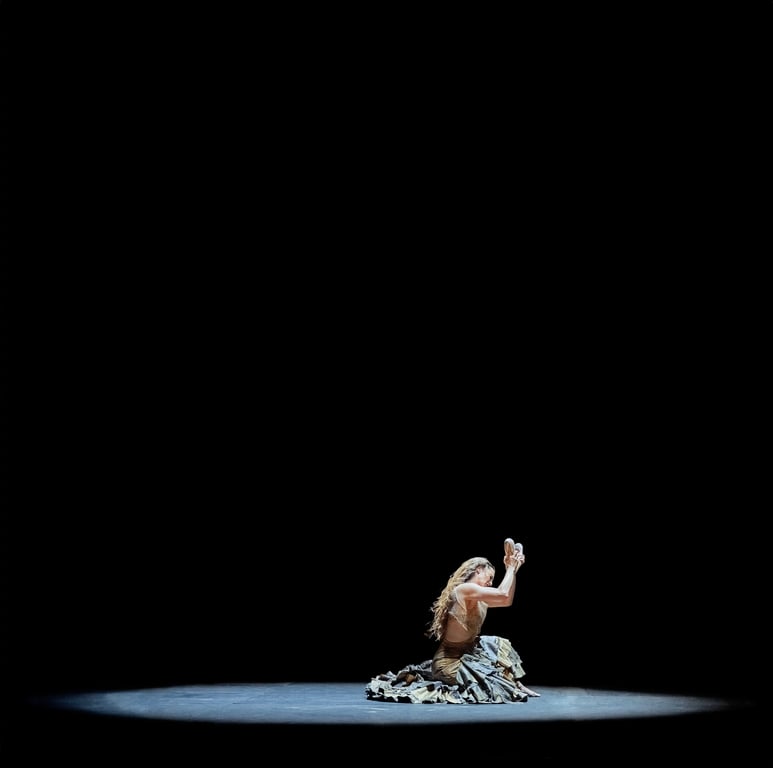
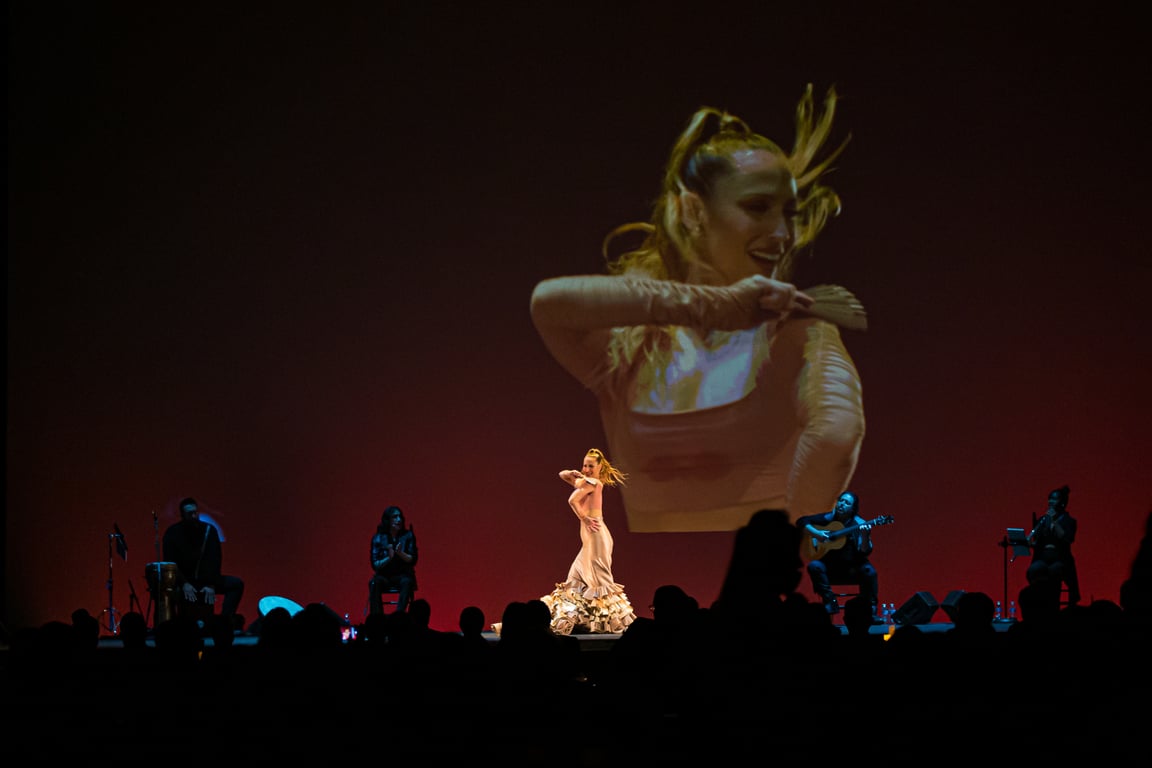
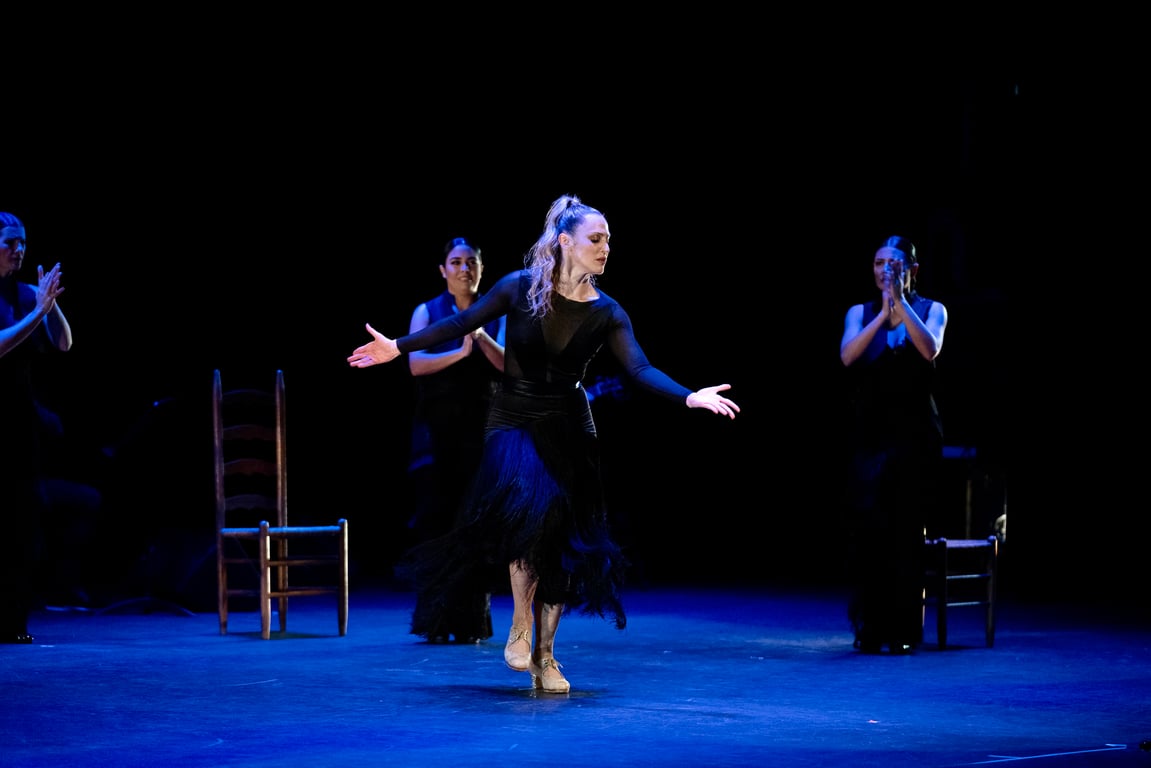
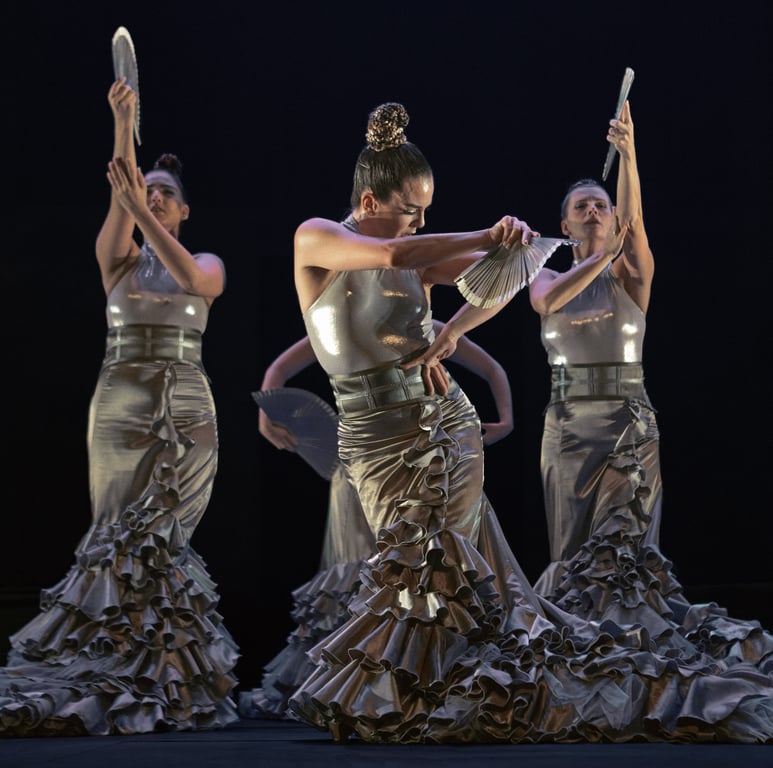
For the dancer, this restraint is a discipline in itself. A slow tempo offers nowhere to hide; every movement must be controlled, weighted, and deliberate. There is no rush of fast footwork to carry the piece along, so the intensity has to come from within — from sustained postura, the proud and grounded carriage of the body, and from arms and hands that move with measured purpose. The elegance of tientos is the elegance of restraint: power held in reserve rather than spent all at once.
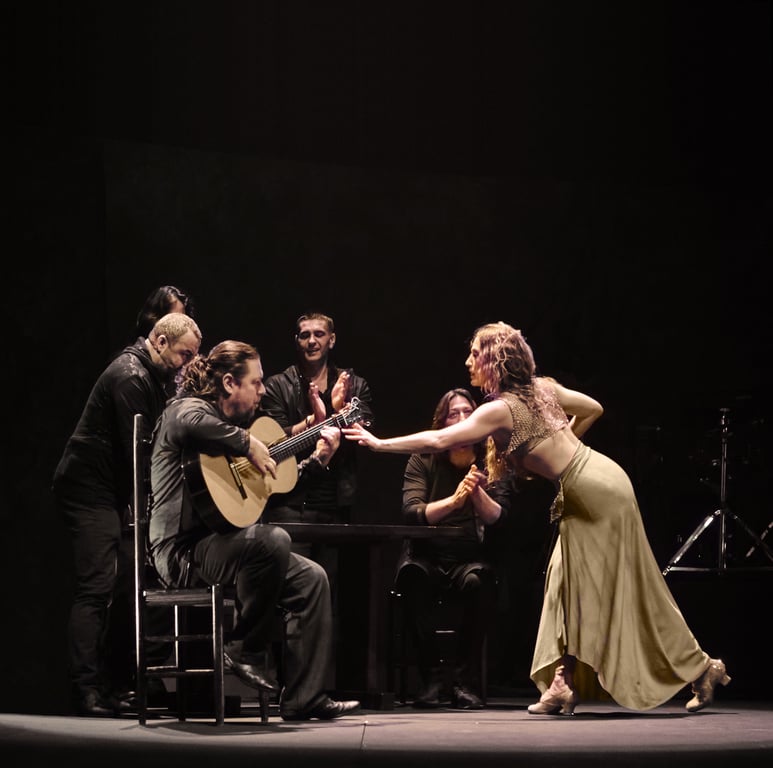
For the singer, the slow compás opens space for expressive, deeply felt cante, the song that carries so much of flamenco's emotion. Freed from a quick tempo, the voice can linger and shade each phrase, giving tientos their characteristic depth of feeling. It is a palo that rewards concentration over spectacle.
From Tientos to Tangos: A Traditional Close
One of the most cherished traditions surrounding this palo is the way it ends. A tientos will often accelerate into tangos to close, gradually gathering speed until the solemn opening gives way to the faster, more festive rhythm of its sibling form.
This shift is more than a technical device; it is an emotional journey compressed into a single performance. The piece begins in gravity and restraint, holding the audience in a state of concentrated intensity, and then releases that tension by quickening into the celebratory energy of tangos. Because the two palos share the same binary, four-beat foundation, the transition can feel entirely natural — the same rhythmic cycle, simply set free to run faster. For many audiences, this arc from solemnity to celebration is one of the most satisfying moments in all of flamenco. If you would like to explore the livelier destination of that journey, our guide to what tangos are in flamenco takes up the story where a tientos leaves off.
Tientos and Their Place Among the Palos
Flamenco is not a single, uniform sound but a family of related forms, each with its own compás, tempo, and emotional world. Understanding where tientos sit within that family helps make sense of the art as a whole.
Tientos belong to the group of palos built on a binary, four-count feel rather than the twelve-beat cycle. Within that group they occupy a particular emotional niche: slower and graver than tangos, more restrained than the festive forms, and distinct in their solemn elegance. They are a reminder that flamenco's simpler rhythmic foundation can carry just as much depth as its more complex cycles — that intensity in this art is a matter of feeling and control, not merely of speed. To see how tientos relate to the wider map of styles, from the twelve-beat forms to the other binary palos, return to our overview of the palos of flamenco.
Experiencing Tientos for Yourself
The best way to understand tientos is to feel the difference between their slow, solemn opening and the release that comes when they quicken toward tangos. Listen for the weight in the early phrases, the way the dancer sustains intensity without speed, and the moment the compás begins to gather pace. Once you have heard that arc, you will recognize it every time.
If studying flamenco from the inside appeals to you — learning how compás, posture, and expression come together in palos like tientos and tangos — explore Siudy Garrido's on-demand flamenco classes, where the rhythmic foundations of the art are taught in the order they are best learned. For more on the styles, technique, and culture behind flamenco, browse the full flamenco blog. The more you understand the palos, the more each performance opens up to you.
Frequently asked questions
What are tientos in flamenco?
What is the difference between tientos and tangos?
What is the compas of tientos?
Are tientos hard to dance?
Start dancing flamenco with Siudy Garrido
On-Demand Flamenco Courses — professional instruction, at your pace.
Explore Courses →