Sara Baras: The Bailaora Who Took Flamenco to the World's Great Stages
 Part of our guide
Famous Flamenco Artists: The Great Singers, Guitarists, and Dancers →
Part of our guide
Famous Flamenco Artists: The Great Singers, Guitarists, and Dancers →
Some artists are remembered for perfecting a tradition, and others for carrying it onto stages it had never reached before. Sara Baras belongs to the rare group who have done both. A dancer of exacting technique and commanding presence, she took flamenco out of its intimate settings and into the world's great theaters, all without loosening its roots. This article looks at her life, her company, and the productions that made her name, drawing only on the verified record.
Who Is Sara Baras?
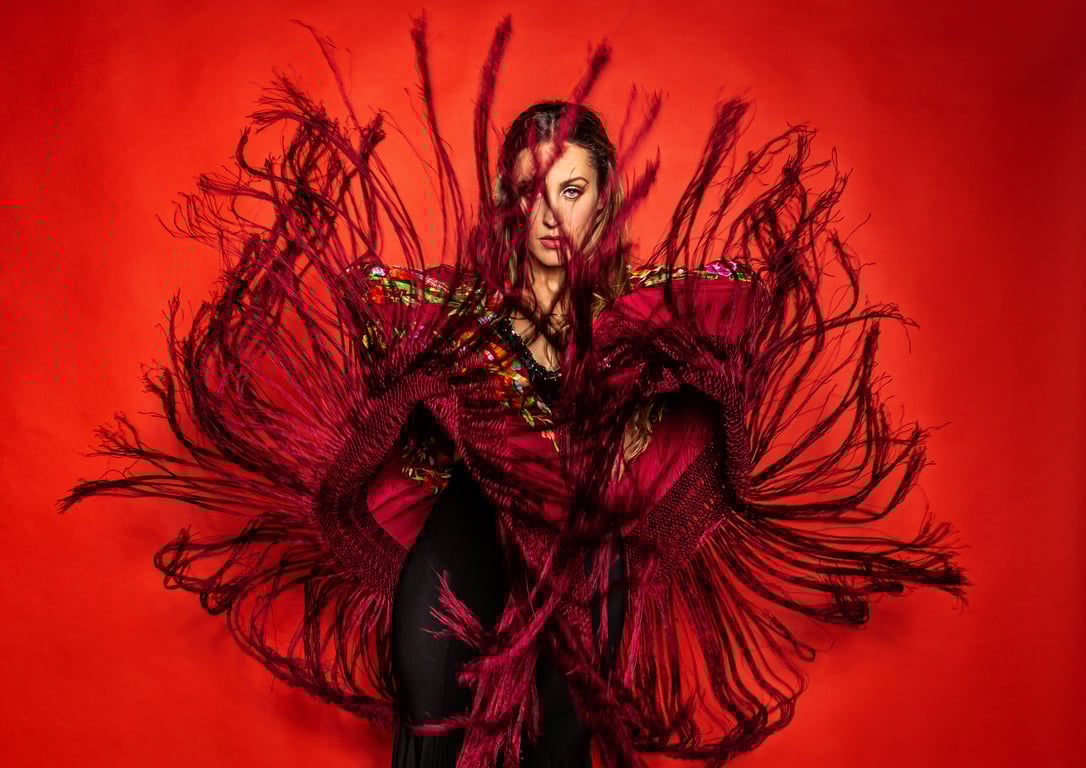
Sara Baras, born Sara Pereyra Baras on 25 April 1971 in San Fernando, in the province of Cádiz, is one of the most celebrated flamenco dancers of her generation. Cádiz sits in Andalusia, the region of southern Spain that is the heartland of flamenco, and it is a fitting birthplace for an artist who would come to represent the form on stages far beyond it. She is a bailaora — a female flamenco dancer — whose career has combined the discipline of a purist with the ambition of a stage director.
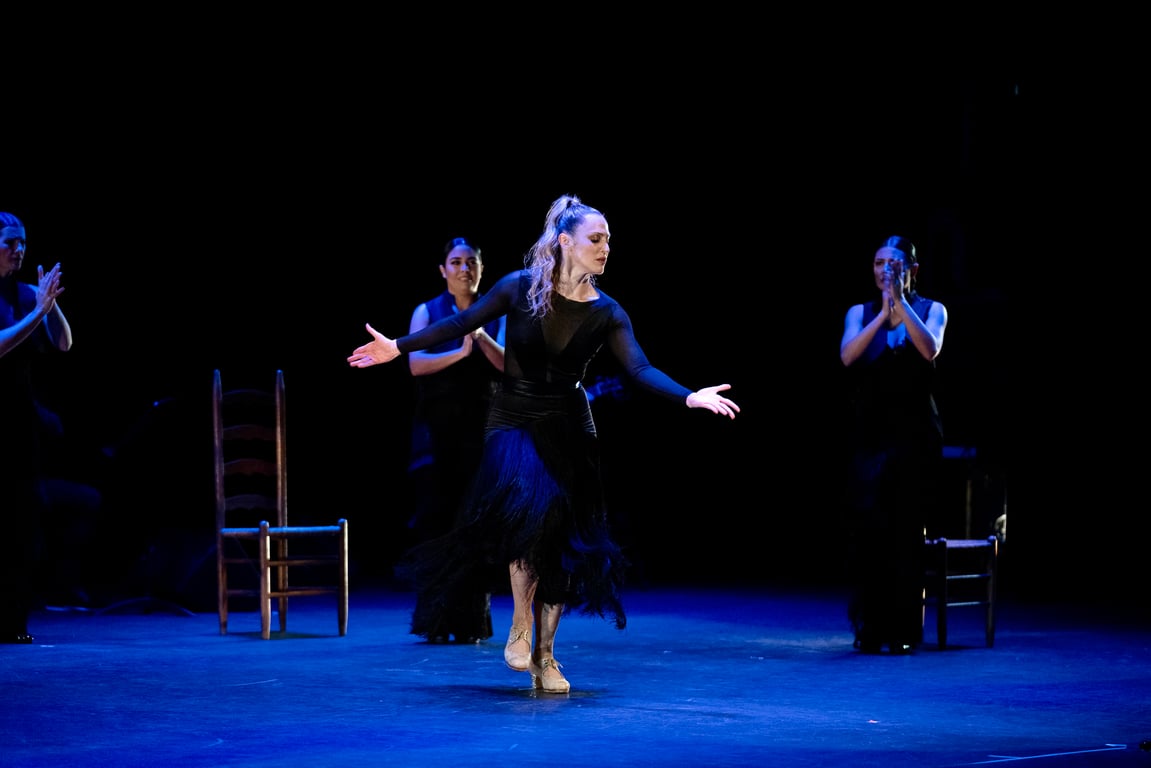
Her reputation rests first on her dancing itself, and above all on her zapateado, the percussive footwork at the heart of flamenco baile (dance). Where lesser dancers chase speed, Baras is admired for the precision and power of her feet: strikes that land with clarity and drive the rhythm forward rather than simply filling it. That command of footwork became the foundation on which she built everything else.
Founding Ballet Flamenco Sara Baras
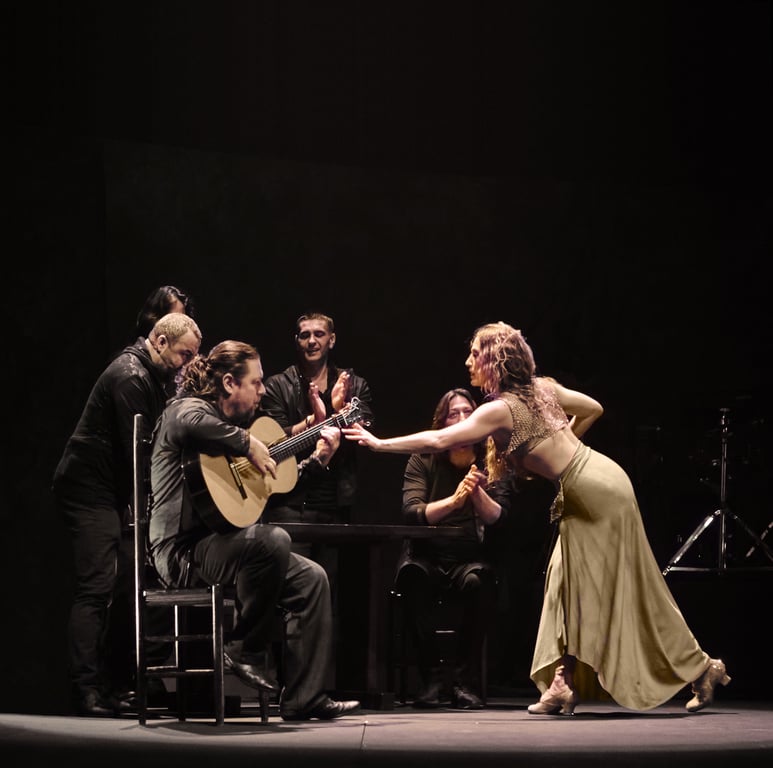
The decisive turn in her career came in 1998, when she founded her own company, Ballet Flamenco Sara Baras. The ensemble made its debut with the show Sensaciones, and from that point forward Baras was not only a performer but the artistic force shaping the works she appeared in.
Directing her own company mattered for a practical reason. Flamenco has traditionally lived in intimate spaces — the tablao, the small theater, the charged exchange between a handful of artists at close range. To conceive flamenco on a larger scale, with full-length narratives, elaborate staging, and a company of dancers and musicians, an artist needs to control the whole production. By leading her own ensemble, Baras could build exactly the kind of ambitious, theatrically staged flamenco that would become her signature, and she could tour it on her own terms.
The Landmark Productions
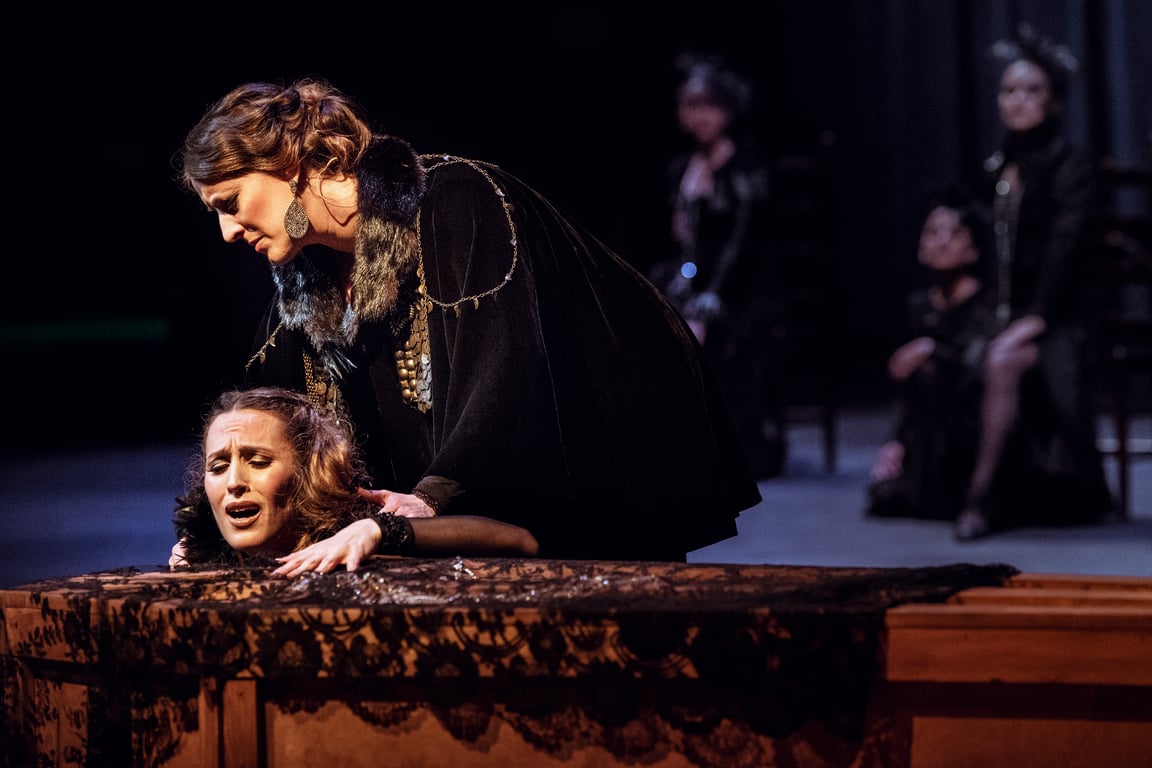
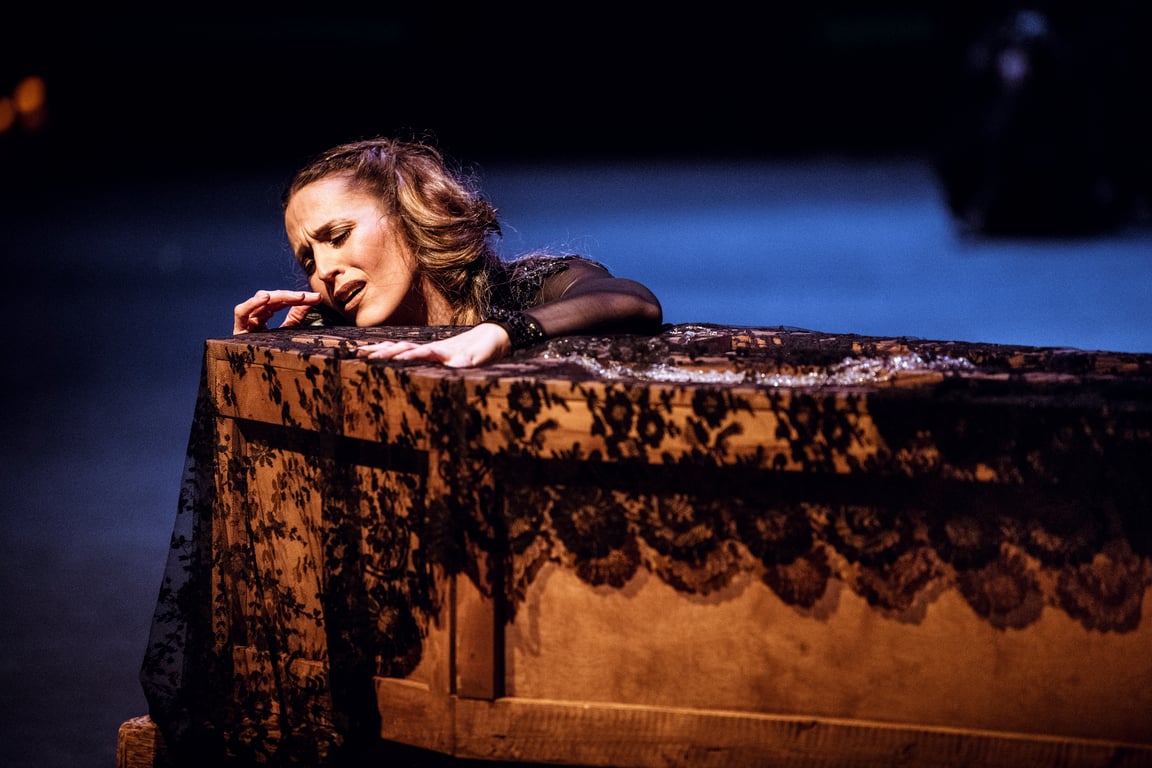
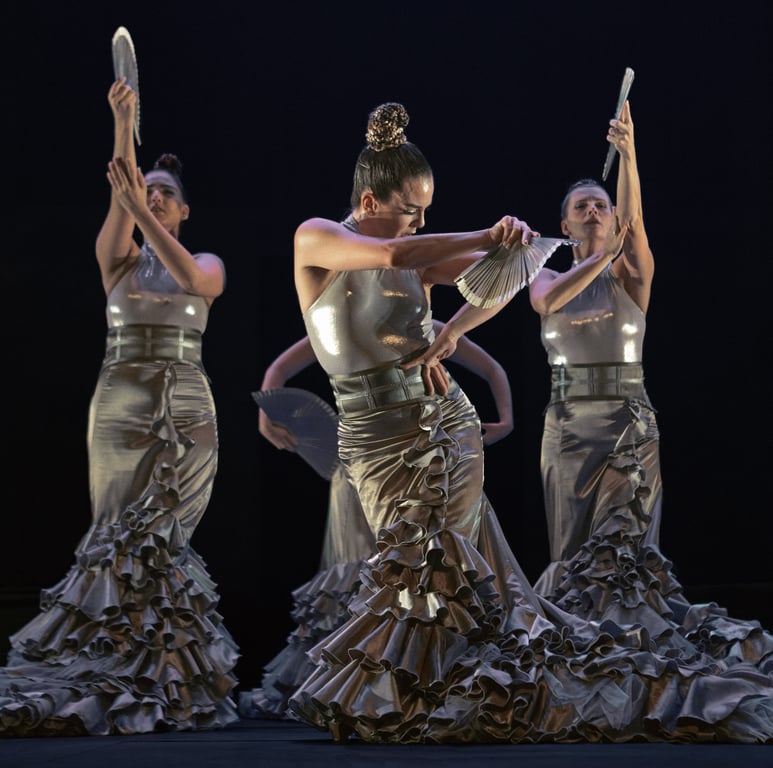
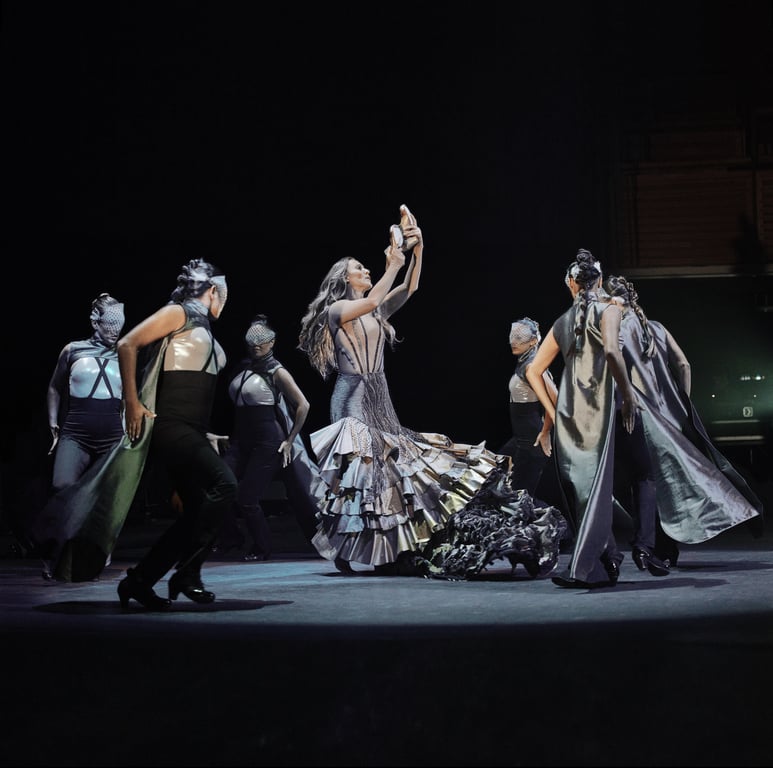
Over the years that followed, Baras created a series of large-scale productions that carried her company to major venues internationally. Among the works associated with her are Sueños, Carmen, Voces, and Sombras — titles that, taken together, illustrate the scope of her artistic project.
What links these productions is an approach to flamenco as full theatrical spectacle. Rather than presenting a sequence of dances, Baras built evening-length works with dramatic shape, designed for the scale of a proscenium stage and a large audience. Crucially, she did this while keeping the core of flamenco intact: the baile, the cante (song), and the toque (guitar and musicianship) remain the substance of the work, however grand the frame around them. Her productions expanded flamenco's presentation without hollowing out its content — a balance that is far harder to achieve than it sounds.
Ready to put this into practice?
Train with Siudy Garrido through our On-Demand Flamenco Courses — structured, professional flamenco instruction you can start today.
For readers exploring the wider tradition she works within, our overview of the art of flamenco explains the three intertwined elements — song, guitar, and dance — that underpin every one of these productions.
Bringing Flamenco to International Stages
Baras's lasting significance lies in where she took the art. Through her touring company and its large-scale productions, she brought flamenco before audiences on major international stages, presenting it not as a regional curiosity but as a serious theatrical art capable of filling the world's great venues.
This matters for flamenco's place in the wider culture. When a dancer of Baras's technical authority presents the form at that scale, she reframes how international audiences understand it: flamenco appears as a demanding, fully realized stage art rather than a picturesque folk display. In doing so, she extended a project that generations of flamenco artists have pursued — carrying the tradition outward while keeping faith with its essence. Her precise, powerful footwork gave that project its credibility; audiences new to flamenco could see, in the clarity of her zapateado, that the spectacle rested on genuine mastery.
This career sits within a broader lineage of performers who shaped how the world encountered this art. To place her among her peers and forebears, see our guide to famous flamenco artists, and for a focus on the dancers specifically, our overview of famous flamenco dancers traces the figures who built the tradition of flamenco baile.
Why Sara Baras Matters
It would be easy to reduce this artist to her spectacle, but that would miss the point. The productions are memorable precisely because the dancing beneath them is uncompromising. Her feet do not merely keep time; they articulate rhythm with the exactness that flamenco demands and the force that gives it its charge. The scale of her shows is impressive, but it is the quality of the baile at their center that makes them endure.
For anyone studying flamenco today, her example carries a lesson. Ambition and authenticity are not opposites. An artist can enlarge the frame around flamenco — the staging, the venue, the audience — without diluting the discipline inside it, provided the technique is real. Baras built her international reach on a foundation of rigorous footwork and a lifetime inside the tradition, and that foundation is what separates lasting artistry from mere showmanship.
If watching artists of this caliber has left you wanting to understand flamenco from the inside, the surest way is to study its movement and rhythm directly. Explore on-demand flamenco classes with two-time Latin Grammy–nominated artist Siudy Garrido, and browse more profiles and guides on our flamenco blog to keep discovering the artists who shaped this remarkable art.
Frequently asked questions
Who is Sara Baras?
When did Sara Baras start her own company?
What is Sara Baras known for?
Where was Sara Baras born?
Start dancing flamenco with Siudy Garrido
On-Demand Flamenco Courses — professional instruction, at your pace.
Explore Courses →