Flamenco UNESCO Heritage: Why It Was Named a Treasure of Humanity
 Part of our guide
The History of Flamenco: From Andalusian Roots to World Heritage →
Part of our guide
The History of Flamenco: From Andalusian Roots to World Heritage →
In 2010, an art born in the courtyards and cafes of southern Spain received one of the highest honors the world can give a living tradition. That year, flamenco UNESCO recognition became official, placing the meeting of cante, baile, and toque alongside the world's most treasured cultural inheritances. This guide explains exactly what happened, what the designation means, and why flamenco earned it.
This recognition is one chapter in a much longer story. To see how flamenco arrived at this moment, from its fusion of cultures in Andalusia to its rise as a professional art, read our pillar guide to the history of flamenco. Here, we focus on the honor itself.
The Day of the Flamenco UNESCO Inscription
The landmark of flamenco UNESCO recognition has a precise date. On 16 November 2010, flamenco was inscribed on UNESCO's Representative List of the Intangible Cultural Heritage of Humanity. The decision was taken at the fifth session of the Intergovernmental Committee, held in Nairobi, Kenya.
With that single act, flamenco joined a global list of living traditions that the international community has agreed are worth protecting. It was an acknowledgment, from the world's cultural body, of what flamenco's practitioners had long understood: that this art is a genuine inheritance, carried across generations, and deserving of care.
What Does Intangible Cultural Heritage Mean?
To understand why this matters, it helps to understand what UNESCO's Intangible Cultural Heritage list actually protects. When most people hear the word "heritage," they picture monuments: cathedrals, ancient ruins, historic city centers. Those are the domain of the more familiar World Heritage list. Intangible heritage is different.
Intangible Cultural Heritage refers to living traditions rather than physical structures. It covers the practices, expressions, and knowledge that a community recognizes as part of its identity and passes down from one person to the next. You cannot put it behind glass or fence it off, because it lives only in the people who perform and transmit it. Where a monument can be preserved by protecting stone and mortar, a living tradition survives only when it is actively practiced and taught.
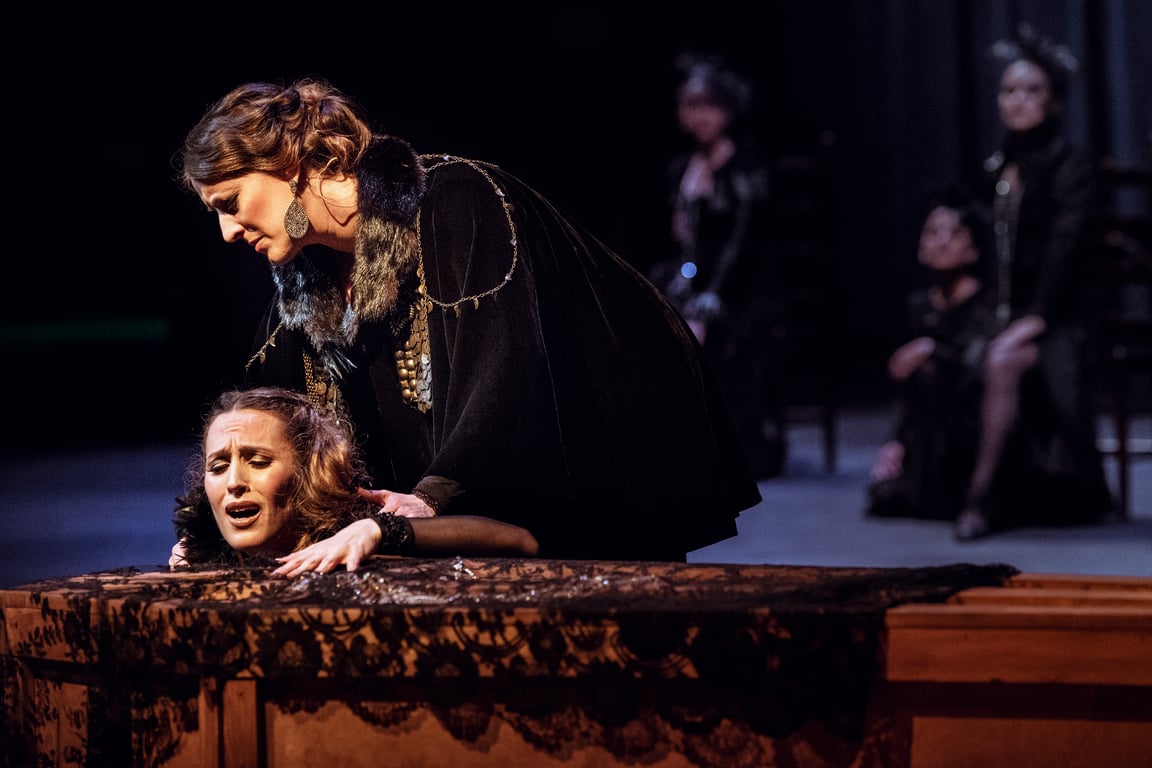
Seen this way, flamenco is intangible heritage in its purest form. It exists in the moment a cantaor lets a phrase break with feeling, in the footwork of a bailaora, in the hands of a guitarist. It cannot be separated from the human beings who carry it, which is precisely why UNESCO's list exists: to help safeguard traditions that no museum could ever hold.
Why Flamenco Qualified as World Heritage
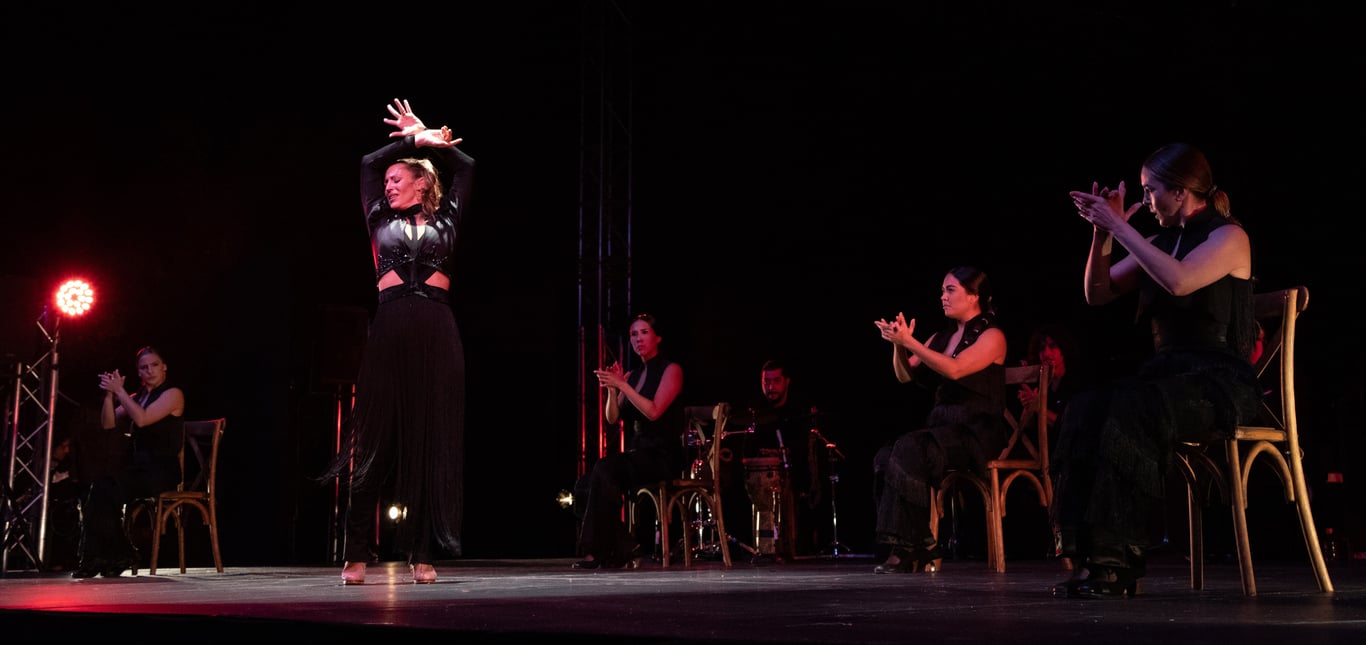
Flamenco met the standard for this kind of recognition because of what it fundamentally is. At its heart, flamenco is a living art that unites three interwoven elements: cante, the song; baile, the dance; and toque, the guitar and musicianship. These come alive together in performance, supported by palmas, the rhythmic hand-clapping, and jaleo, the encouraging shouts that lift an artist in full flight. If you are new to these terms, our companion guide to what is flamenco introduces each of them in depth.
Ready to put this into practice?
Train with Siudy Garrido through our On-Demand Flamenco Courses — structured, professional flamenco instruction you can start today.
Just as important as what flamenco is, is how it survives. Flamenco has been transmitted within communities, above all in Andalusia, the southern region of Spain where the art took shape. It was handed down not through formal institutions alone but through families, gatherings, and the daily music-making of ordinary people, generation after generation. That combination of a rich, living art and a genuinely communal way of passing it on is exactly what the flamenco intangible cultural heritage designation is meant to honor and protect.
In other words, flamenco did not earn its place as a relic to be admired from a distance. It earned it as a tradition still being sung, danced, and played, still evolving, still taught from body to body. That is what makes it living heritage rather than a historical curiosity.
What the Recognition Means for Flamenco
Recognition as flamenco world heritage is more than a ceremonial honor. It carries real meaning for the future of the art, because of a simple truth about intangible heritage: a living tradition survives only through the people who practice it.
A cathedral can stand for centuries with the right maintenance. A dance cannot. If flamenco were to stop being taught and performed, no amount of documentation would keep it truly alive. UNESCO's list is designed with exactly this fragility in mind. By inscribing flamenco, the international community affirmed that the art is worth safeguarding for future generations, and drew attention to the value of the singers, guitarists, dancers, and teachers who keep it breathing.
The practical weight of the honor therefore falls on transmission. The responsibility, and the joy, of carrying flamenco forward now rests with practitioners and students around the world, not only in Andalusia. Every class taught, every performance given, every young dancer who learns to hold a proud postura and answer the cante is part of what keeps this heritage from becoming a memory.
That is also why flamenco's global reach matters so much today. The art is now studied and performed far beyond Spain, in studios and on stages across the world. Each new artist who takes up the cante, the toque, or the baile extends the living chain that UNESCO recognized in 2010.
Honoring a Living Tradition
The story of flamenco UNESCO recognition is, at heart, a story about people. On 16 November 2010, the world acknowledged that a communal art from Andalusia, uniting song, dance, and guitar, belongs among humanity's living treasures. But an honor of this kind is not a finish line. It is a call to keep the tradition alive.
To place this moment within the full arc of the art, from its cross-cultural origins to its professional flowering, revisit the history of flamenco, and browse more culture, history, and technique guides on our flamenco blog. And if this heritage moves you to take part in it, the surest way to honor a living tradition is to practice it. Explore Siudy Garrido's on-demand flamenco classes and become part of the chain that carries flamenco forward.
Frequently asked questions
When was flamenco added to the UNESCO list?
What does Intangible Cultural Heritage mean?
Why did flamenco qualify for UNESCO recognition?
What does UNESCO recognition mean for flamenco?
Start dancing flamenco with Siudy Garrido
On-Demand Flamenco Courses — professional instruction, at your pace.
Explore Courses →